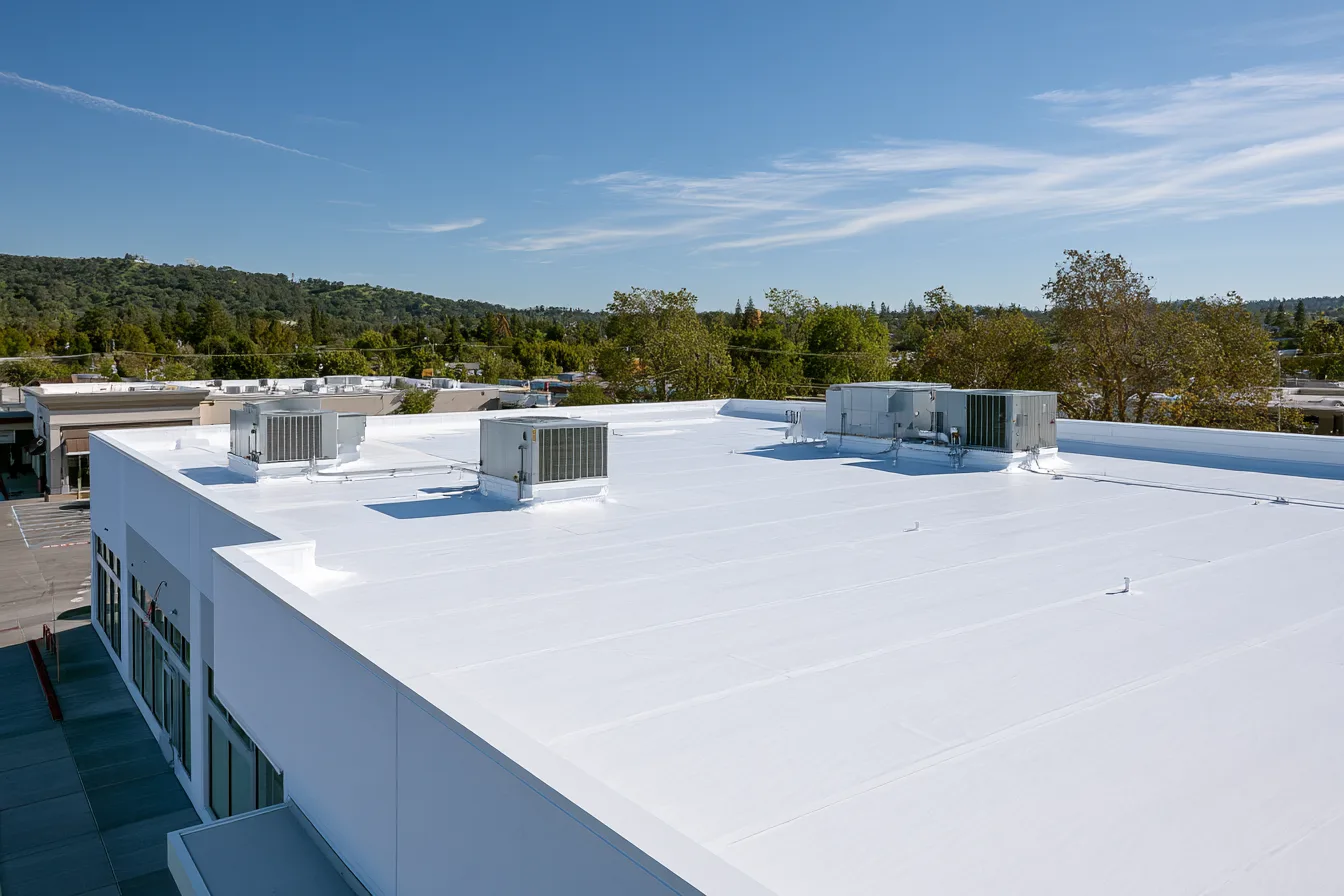
TPO Roofing
Understand welded membrane seams, edge details and repair compatibility on a TPO roof.
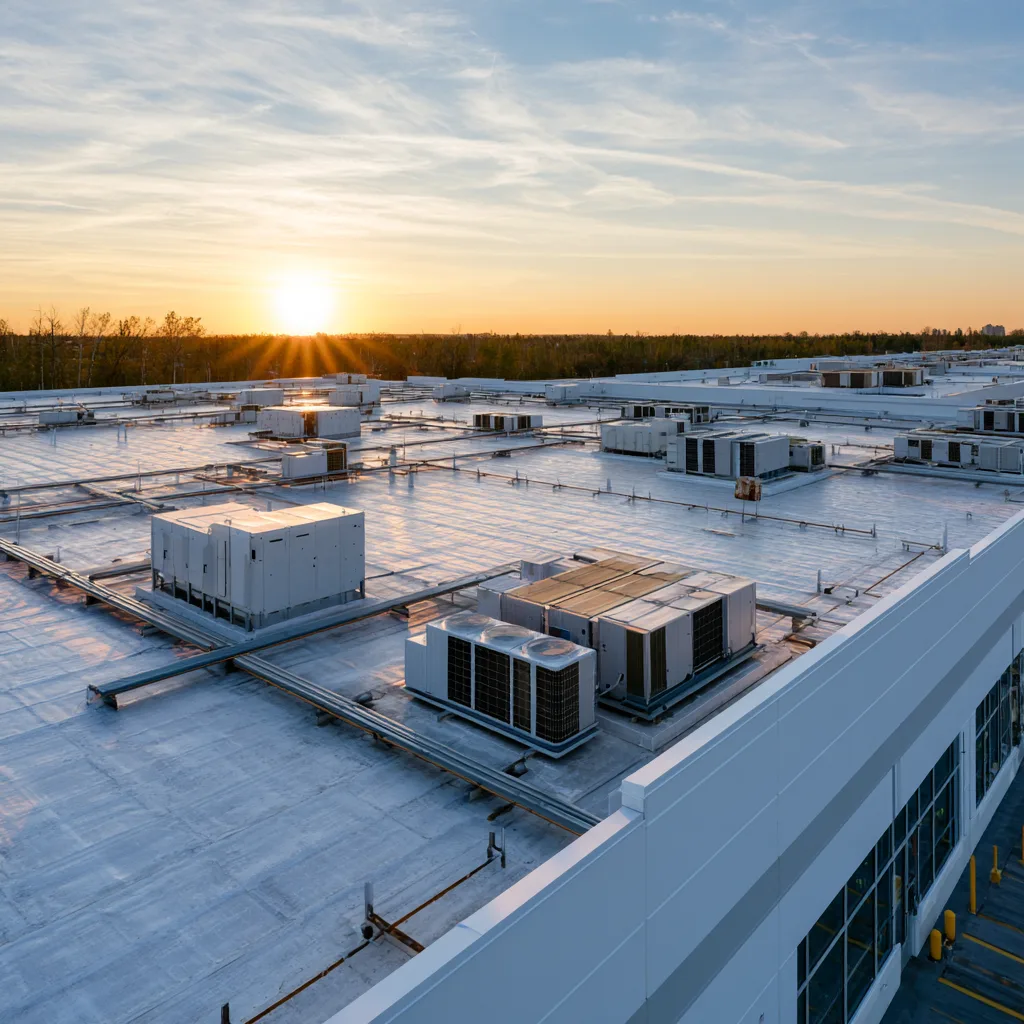
Roof repair, replacement and suitable restoration for Prairie Grove commercial properties. Start with the existing system, drainage and the building’s operating needs.
A roof leak above a tenant space or stockroom is an operating problem as well as a roofing problem. Water needs to be traced back to the roof entry, while the plan accounts for people, equipment and materials beneath the work.
Prairie Grove’s businesses include shops and small manufacturing properties as well as offices and other commercial spaces. Their roofs do not all need the same system. The covering already in place, the condition of insulation and decking, and the route water takes to an outlet determine whether repair, restoration or replacement is useful.
We help building owners make that distinction. The assessment looks beyond the broad field of membrane to seams, parapets, equipment curbs, penetrations and drainage. Those are the connections that a surface-only recommendation can overlook.
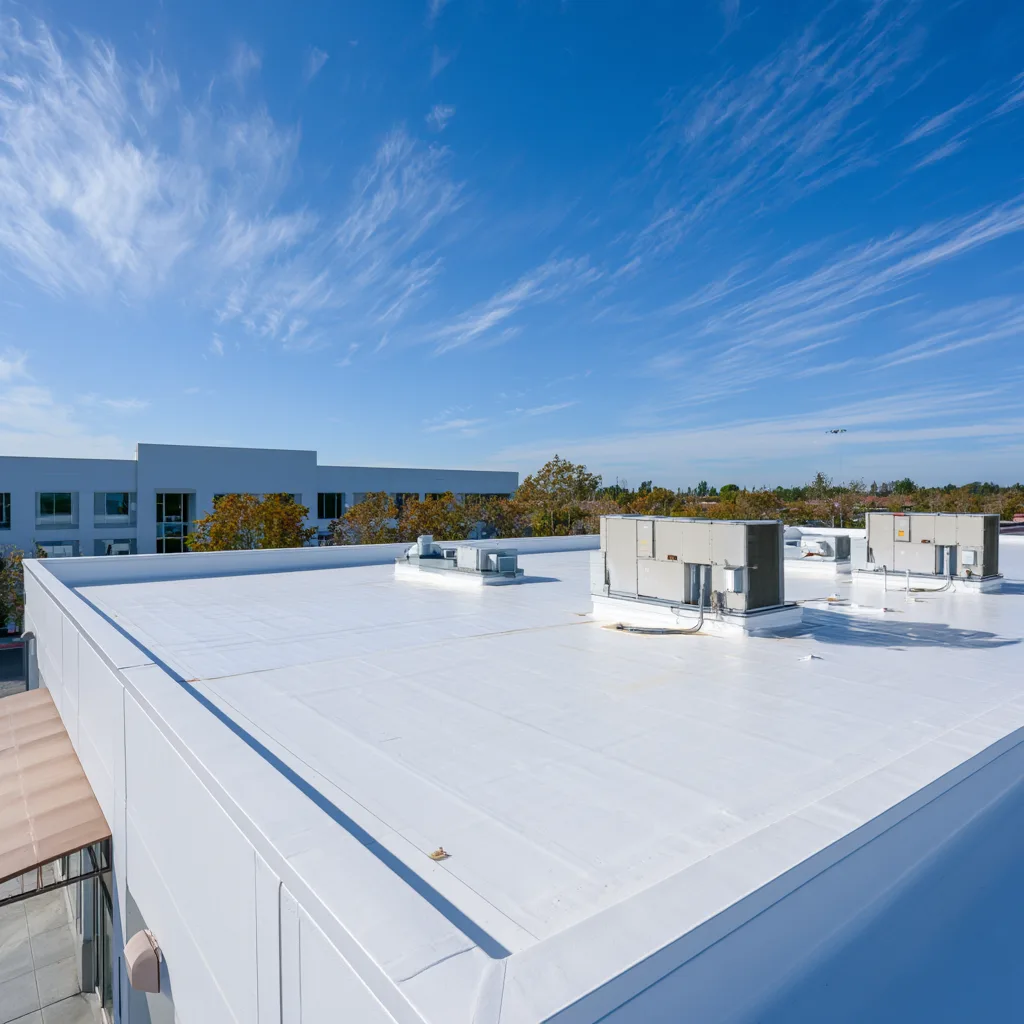
Choose the system or concern to see how the work is approached. A coating or a new membrane starts with the condition of the existing assembly.
Understand welded membrane seams, edge details and repair compatibility on a TPO roof.
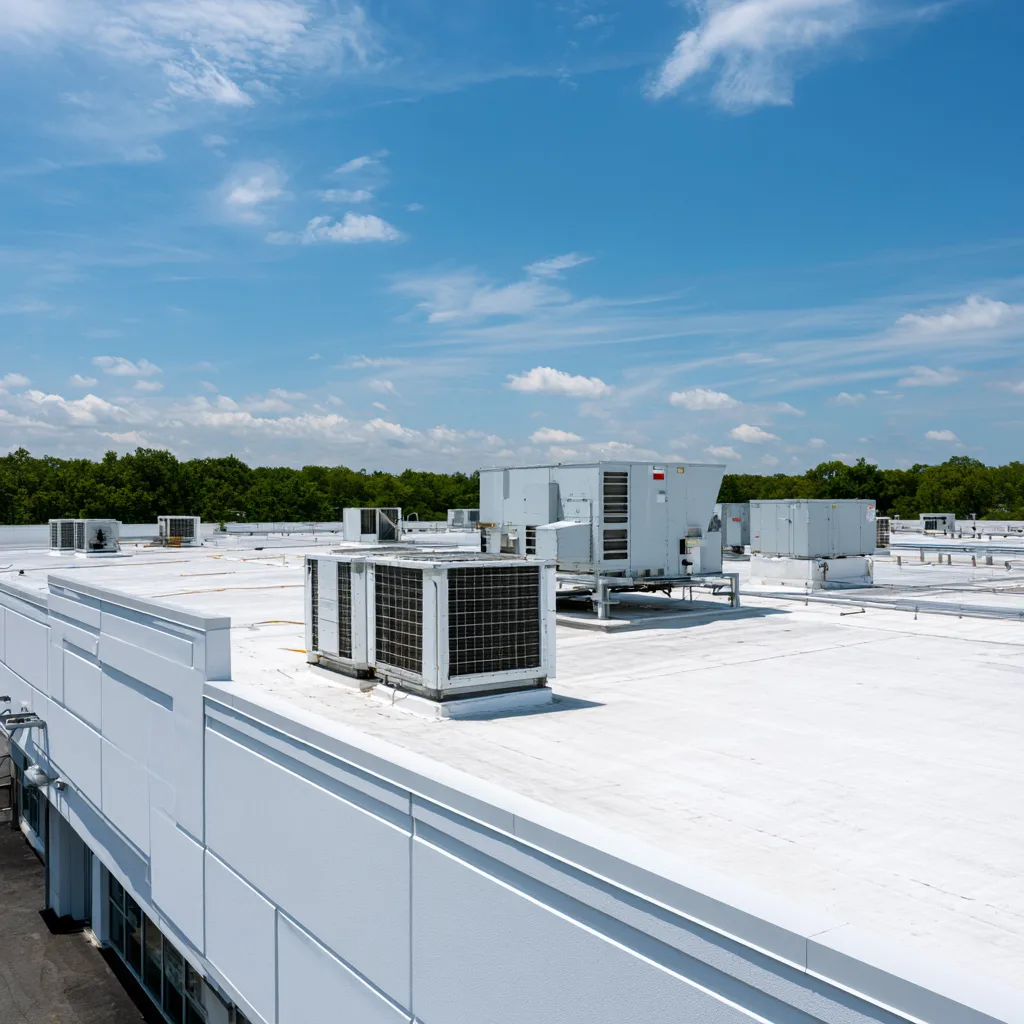
Look at the leak, surrounding layers and drainage before choosing a surface repair.
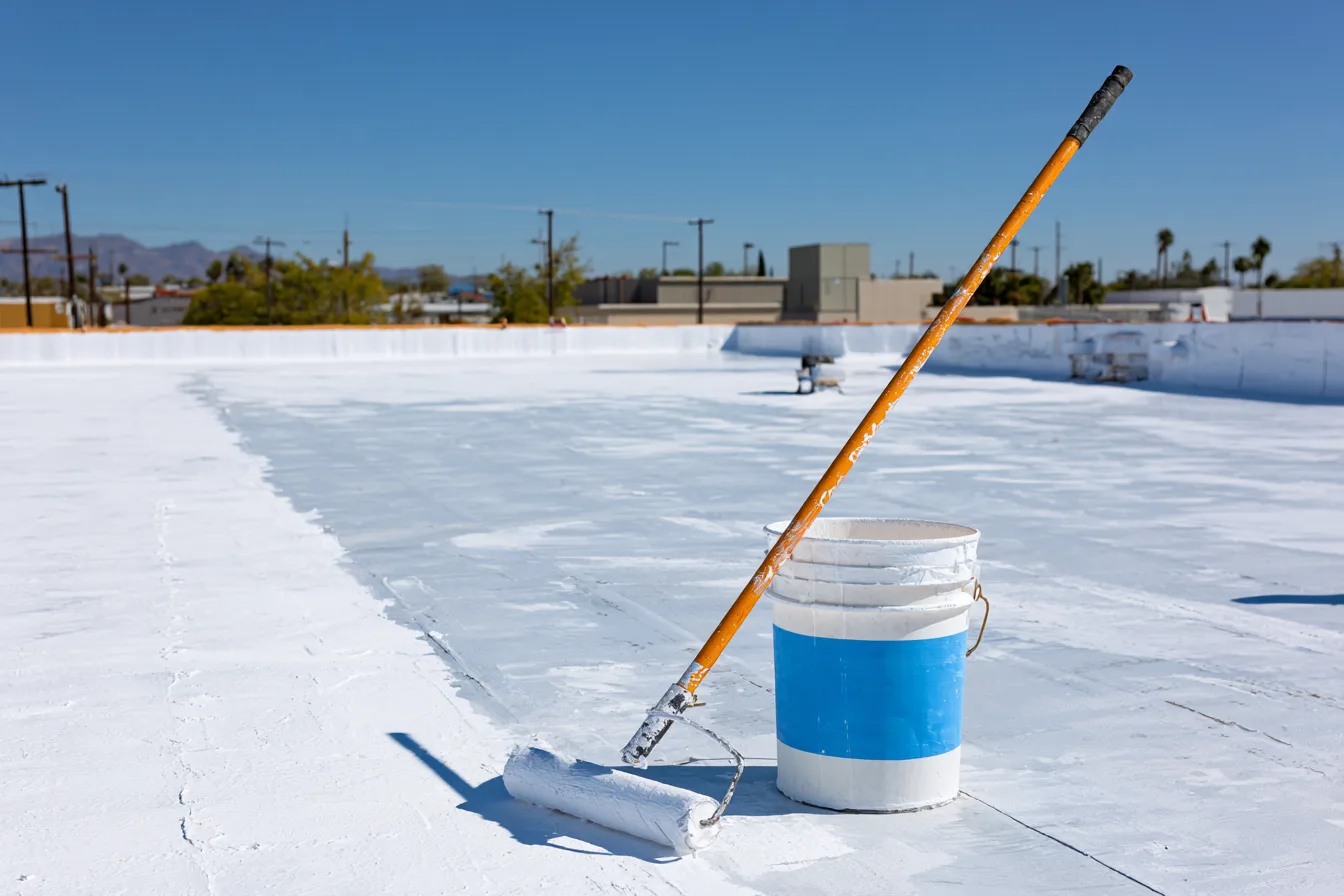
Find out whether a sound existing roof is suitable for prepared, compatible coating restoration.
The right approach preserves useful roofing without leaving moisture or failed layers trapped below new material.
Low-slope does not mean water can be left anywhere on the roof. The surface needs a route to the drainage outlets, and every interruption needs a sound connection.
A split, puncture or opening at a lap needs a repair that matches the existing material. On TPO, that includes a suitable welded connection. An unrelated patching product can conceal a defect while making later repair more difficult.
Rooftop units sit on raised curbs, and pipes or supports interrupt the membrane. The vertical flashing and corners need to remain joined to the field roof as parts move and weather. Equipment service access should avoid damaging those details.
Debris, damaged drain connections and low areas can interfere with water leaving the roof. Clearing a blocked outlet differs from correcting the slope. Repeated ponding deserves an assessment of drainage and supporting layers.
Wet insulation and deteriorated decking change repair or restoration suitability. The inspection and any further investigation establish where underlying material needs removal. Coating the top does not dry saturated layers beneath it.
Roof work has to fit the building’s actual use. Access arrangements and the work sequence belong in the project discussion early.
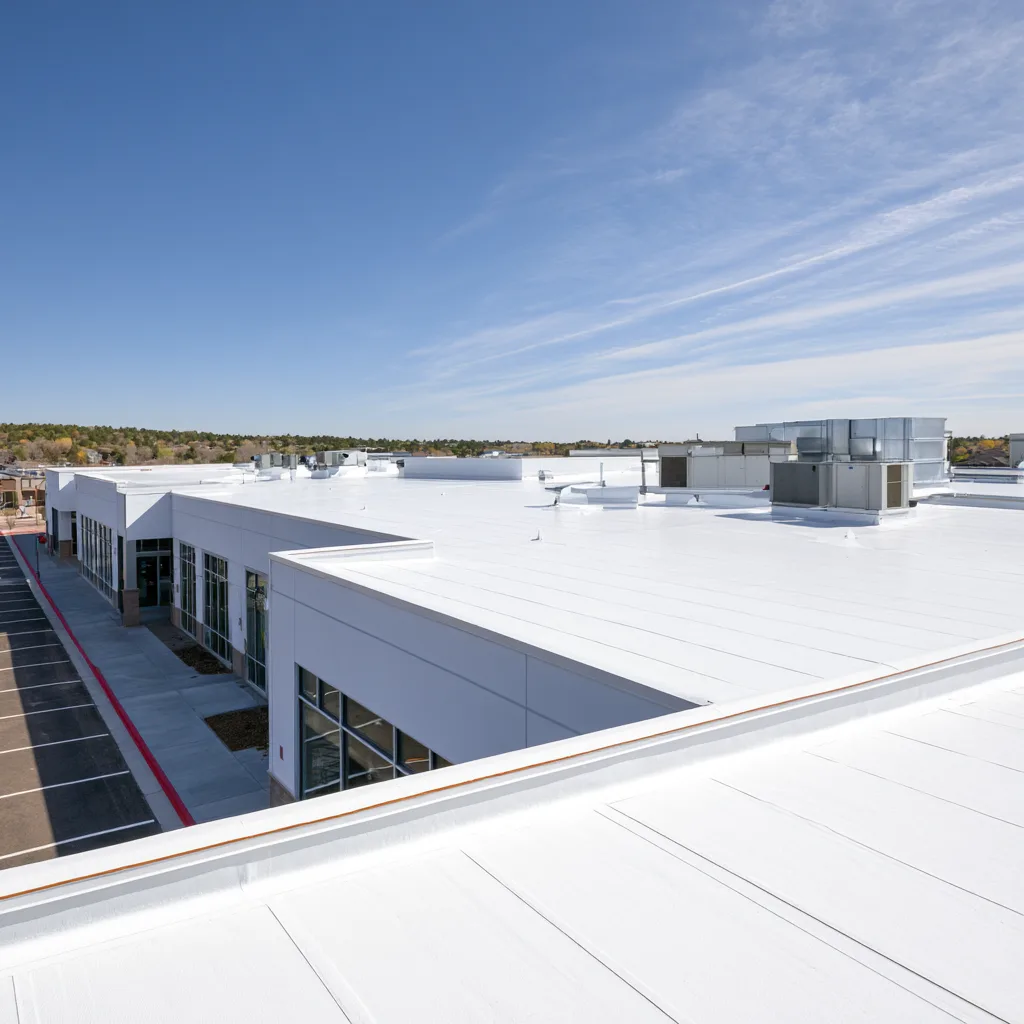
Identify affected rooms, sensitive stock or equipment, tenant entrances and delivery routes. Roof access and debris handling need to fit those uses.
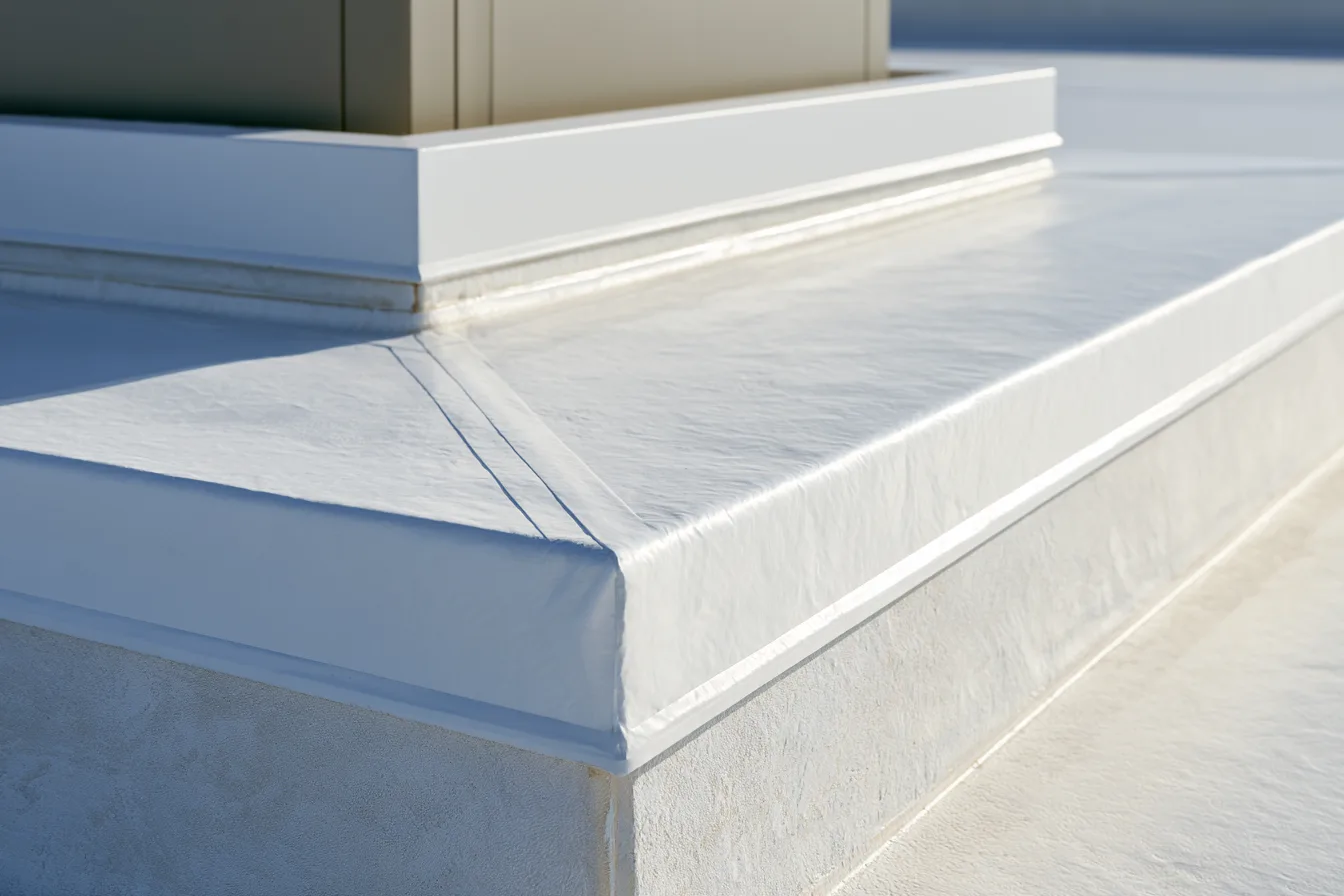
Assess the covering, details and drainage; investigate underlying conditions where needed. Separate localized repair from wet-layer removal or larger replacement.
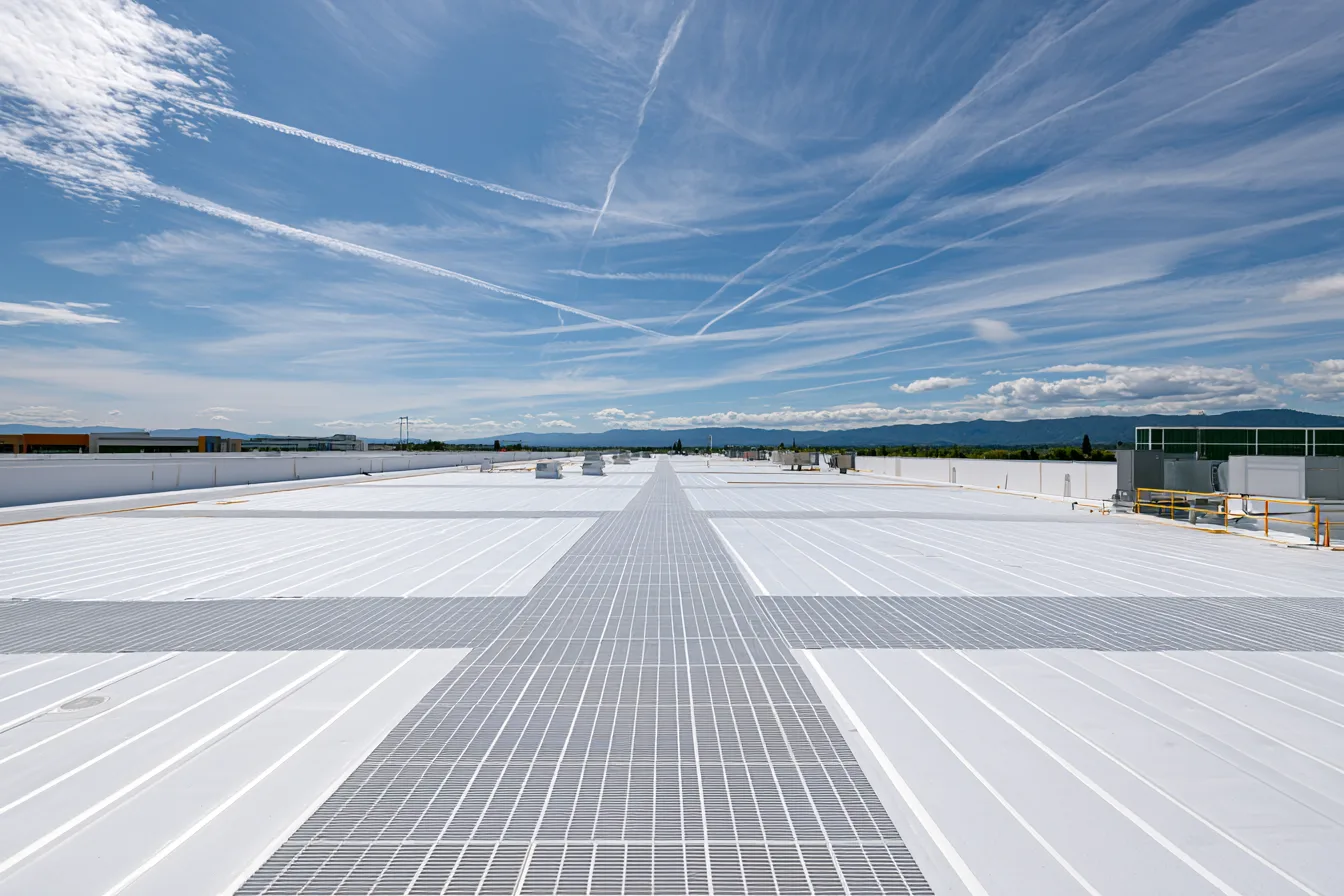
Coordinate roofing with equipment work, material staging and weather protection. Keep compatible repairs and routine drainage/detail attention part of the roof’s continuing care.
Sometimes, after the leak and its underlying cause are corrected and the roof is shown to be suitable. A coating needs a compatible, prepared substrate. Widespread wet insulation, unstable material or unresolved drainage can require other work first or make replacement the better option.
It can, when the work and access can be planned safely around occupants. Entrances, ventilation intakes, deliveries and spaces beneath an opened roof need attention. Phasing and working arrangements depend on the building and scope rather than a universal no-disruption promise.
Yes. Curbs, supports and penetrations need compatible flashing, and equipment removal or service can require the appropriate trade. Roofing and equipment work need coordination so a sound new membrane is not cut or damaged afterward.
A leak location, the roof type if you know it, and the building address give us a place to start. Request a free commercial roof inspection.