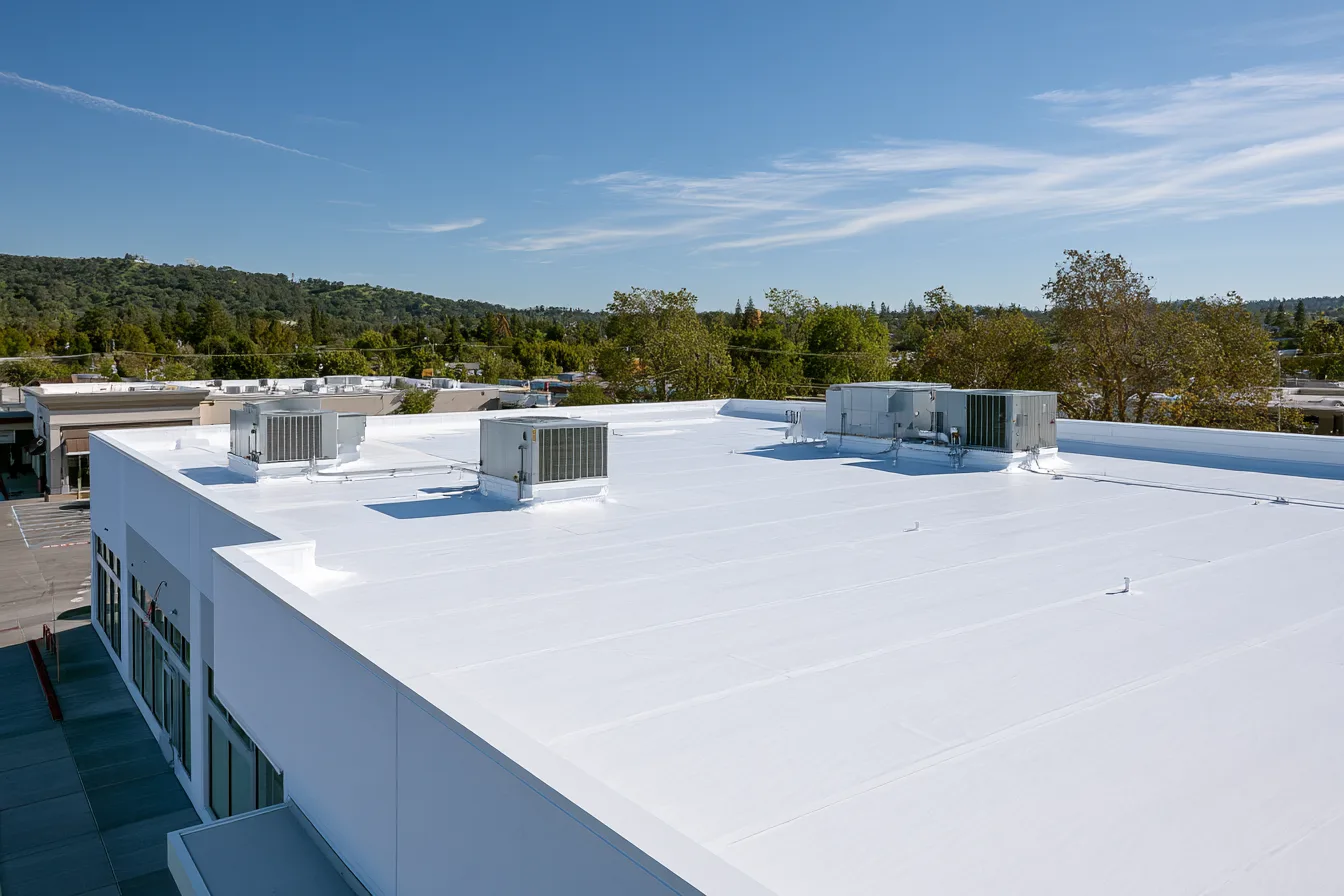
TPO roofing in Prairie Grove, AR
Plan TPO repair or replacement around the membrane, the layers beneath it and the building in use below. Seams and details need the same attention as the broad roof surface.
TPO roofing for Prairie Grove buildings
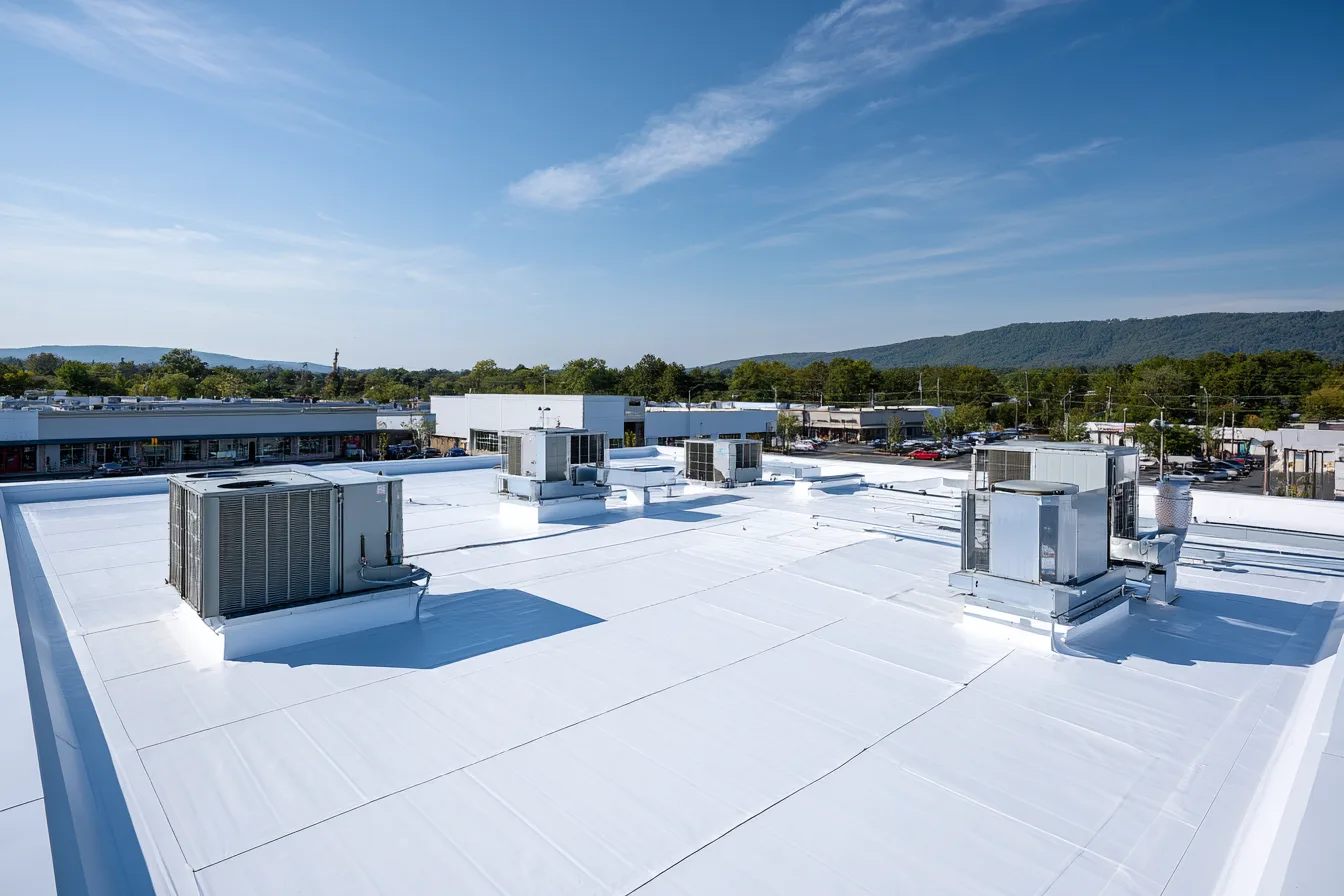
TPO is a single-ply thermoplastic membrane used on suitable low-slope roofs. Sheets are joined with heat-welded seams, and the system continues up curbs, around penetrations and into perimeter details. A broad white surface can look simple while those connections do much of the difficult work.
A leak on a TPO roof needs the existing membrane identified and the entry located before a patch is selected. The repair material, preparation and welding must be compatible with that roof. A general-purpose sealant spread over the surface can conceal a failed seam without restoring it.
Prairie Oak Roofing helps Prairie Grove building owners consider repair, replacement and the work underneath the membrane. The useful decision includes the insulation, attachment, drainage and daily use of the property. Dry, sound layers can support a different scope from a roof with widespread moisture or unstable attachment.
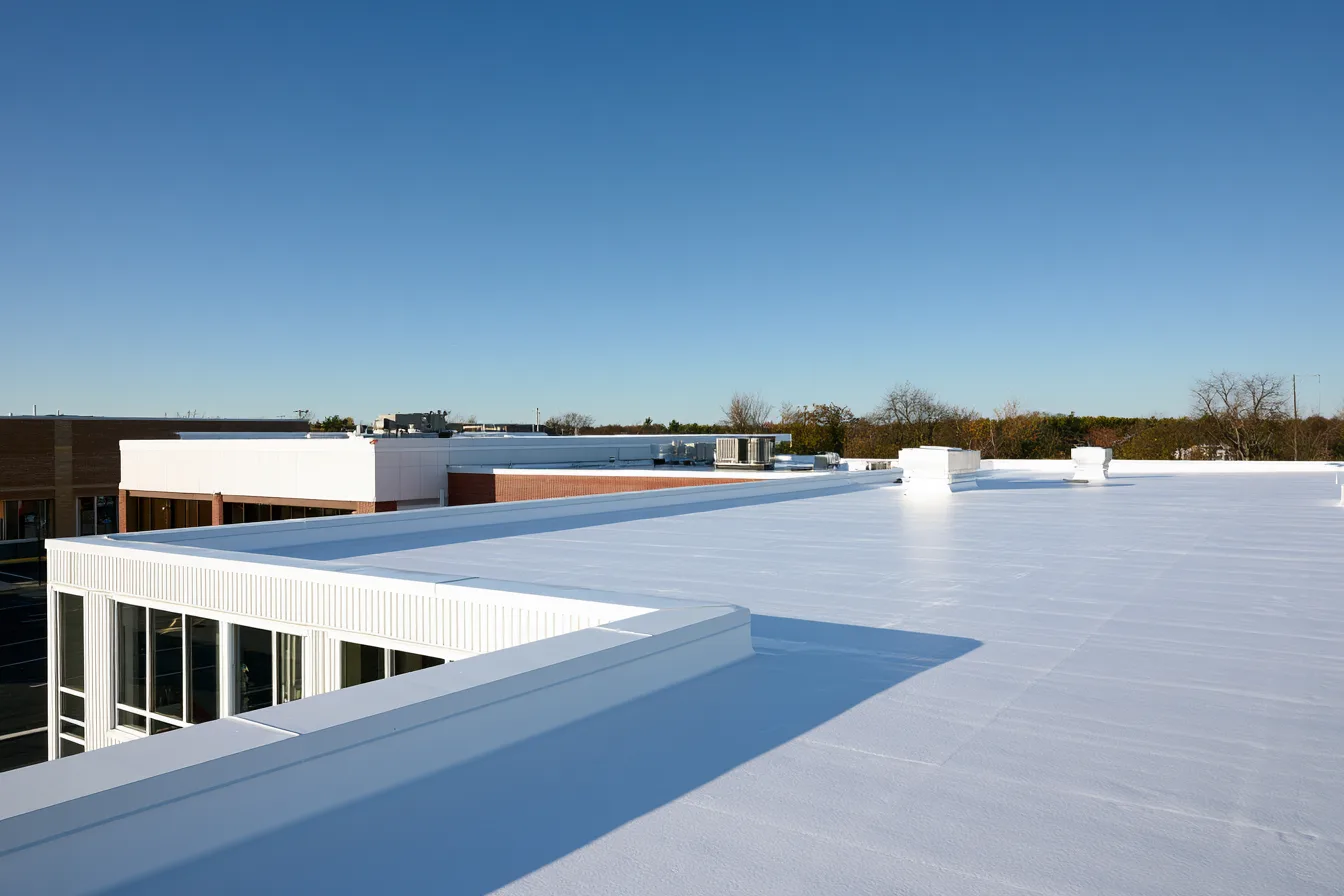
Seams, curbs and roof edges
A dependable TPO repair restores the system at the affected detail.
- Seams and compatible patches
A seam needs to be assessed for its actual failure and surrounding membrane condition. Suitable repair material is prepared and welded according to the system requirements. Aging, contamination or damage can affect what can be welded and how far the repair extends.
- Equipment curbs and penetrations
HVAC curbs, pipes and supports interrupt the membrane. Flashings and corners need secure, watertight connections without relying on unrelated equipment sealant. Coordination matters when mechanical work moves a unit or changes a penetration.
- Perimeter and terminations
The membrane must connect securely at edges, walls and termination points. Loose metal or a failed termination can allow water or wind beneath the assembly. Repair includes the attachment and the transition, not just a patch on the nearby field sheet.
- Wet insulation and drainage
An interior stain may be offset from the entry. Moisture can spread through underlying layers, so the affected area must be assessed before deciding that a surface patch is sufficient. Drains, scuppers and roof slope also need consideration if water collects repeatedly.
TPO repair or a new membrane
The condition of the assembly determines how much of it can reasonably remain.
A TPO installation plan
Installation planning includes the roof assembly and how work affects the occupied building.
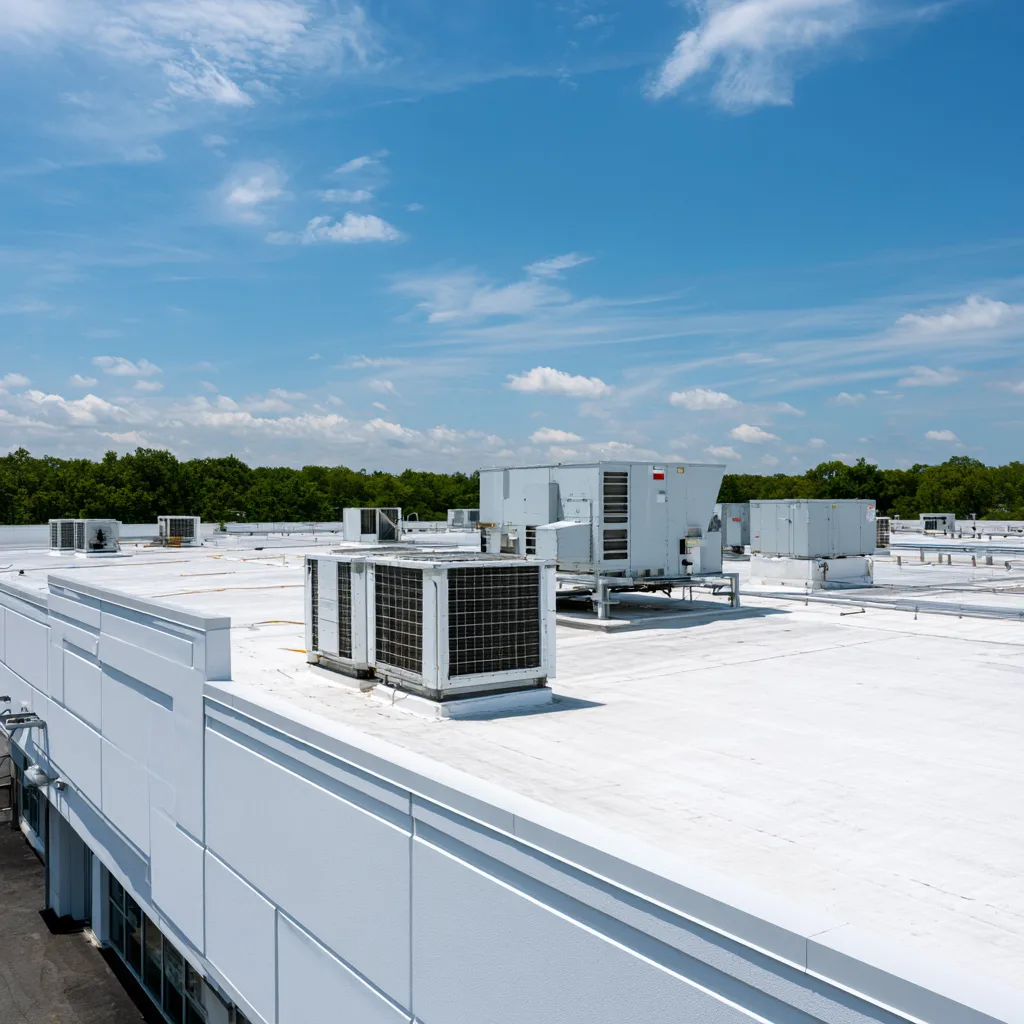
Establish the existing assembly
Identify membrane and underlying layers, moisture concerns and the support available for attachment. Discuss roof access and the affected space below.
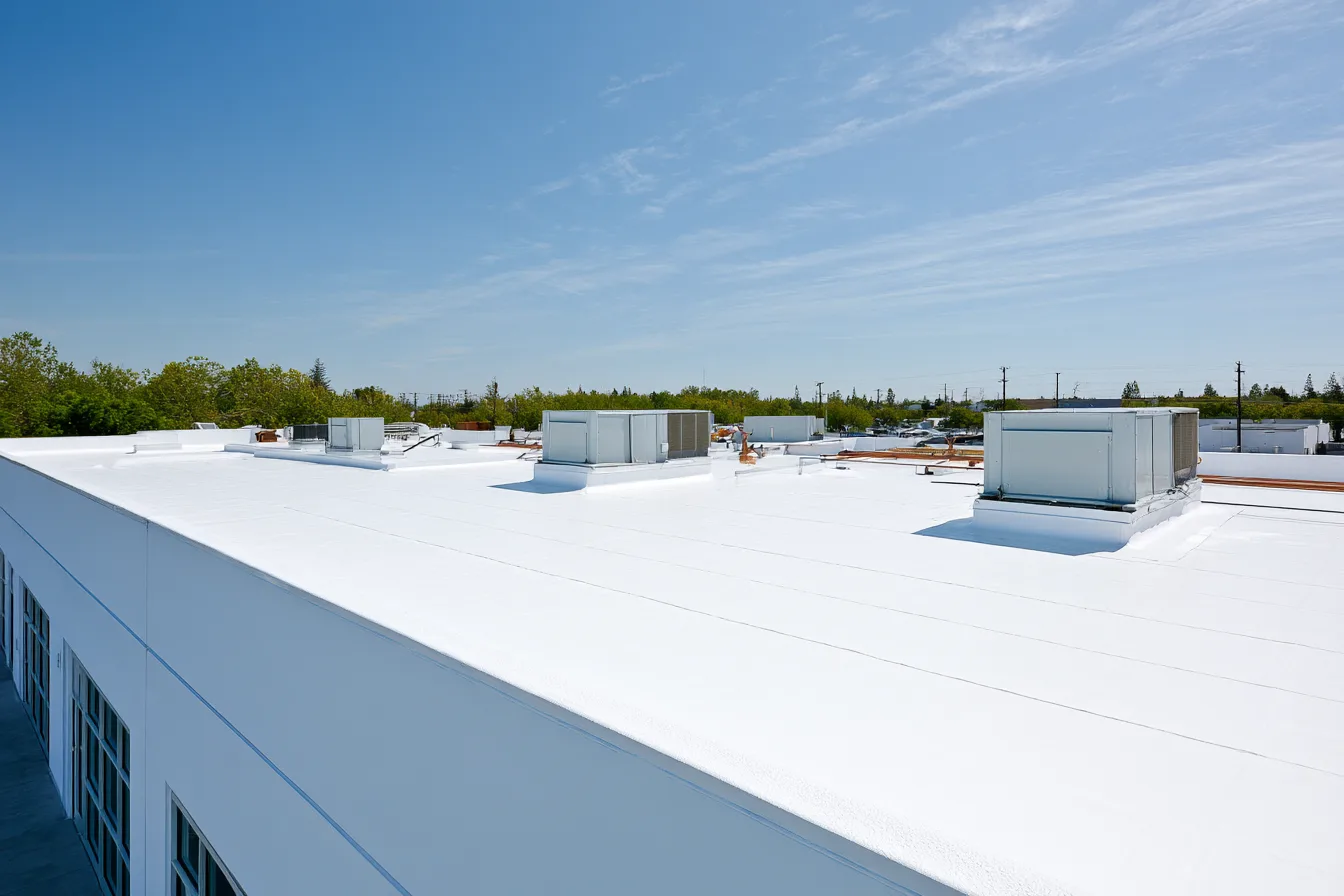
Set insulation and drainage details
Plan the base, any tapered insulation and the selected attachment method. Drainage corrections need to work with existing drains and perimeter heights.
Complete seams and service routes
Finish welded connections, curbs and edges. Plan compatible walkways where regular equipment access calls for them, then review care requirements.
Prairie Grove TPO roofing FAQs
Does a white TPO roof guarantee lower energy bills?
No. A reflective surface can affect heat gain, but energy use also depends on insulation, climate, building operation and the existing assembly. A particular bill reduction cannot be promised from membrane color alone.
How should rooftop equipment access be handled on TPO?
Plan safe access routes and suitable protection for areas used to reach equipment. Mechanical contractors need to avoid dragging tools, damaging seams or making unplanned penetrations through the roof.
Can any roof patching product be used on a TPO seam?
No. The membrane and repair product must be compatible, and preparation and welding must follow the applicable system instructions. Unrelated sealants can make later proper repair more difficult.
Who provides coverage for a TPO roofing system?
The written terms identify the issuer and covered work. Manufacturer material or system coverage and installation workmanship coverage can differ, including eligibility, exclusions and maintenance duties. Confirm the actual offered terms for the project.
Let’s look at the TPO roof as a system.
Tell us about the building, any leak and the roof work you are considering. Include equipment-access or tenant concerns when arranging a roof inspection.