
Roof leak repair in Prairie Grove, AR
Find the roof entry that is letting water inside, then repair the connected layers. A ceiling stain is the start of the investigation, not the repair boundary.
Following a Prairie Grove roof leak
A stain can appear some distance from the opening that caused it. Water entering at a wall, pipe or damaged shingle may run along the underside of the deck or a framing member before reaching the ceiling. That is why repairing directly above a stain can miss the real problem.
Roof leak repair starts by considering the symptom and the roof details that could feed it. If the leak happens only in wind-driven rain or after a long storm, mention that when you call. You do not need to test the roof yourself. The roofer examines the area and looks for a repair that restores the path water should take over the roof.
A recurring leak deserves more than another surface patch. The work may need to expose an overlap, replace a failed collar or open a small section to reach wet or damaged layers. The aim is to stop the entry and rebuild a connection the surrounding roof can support.
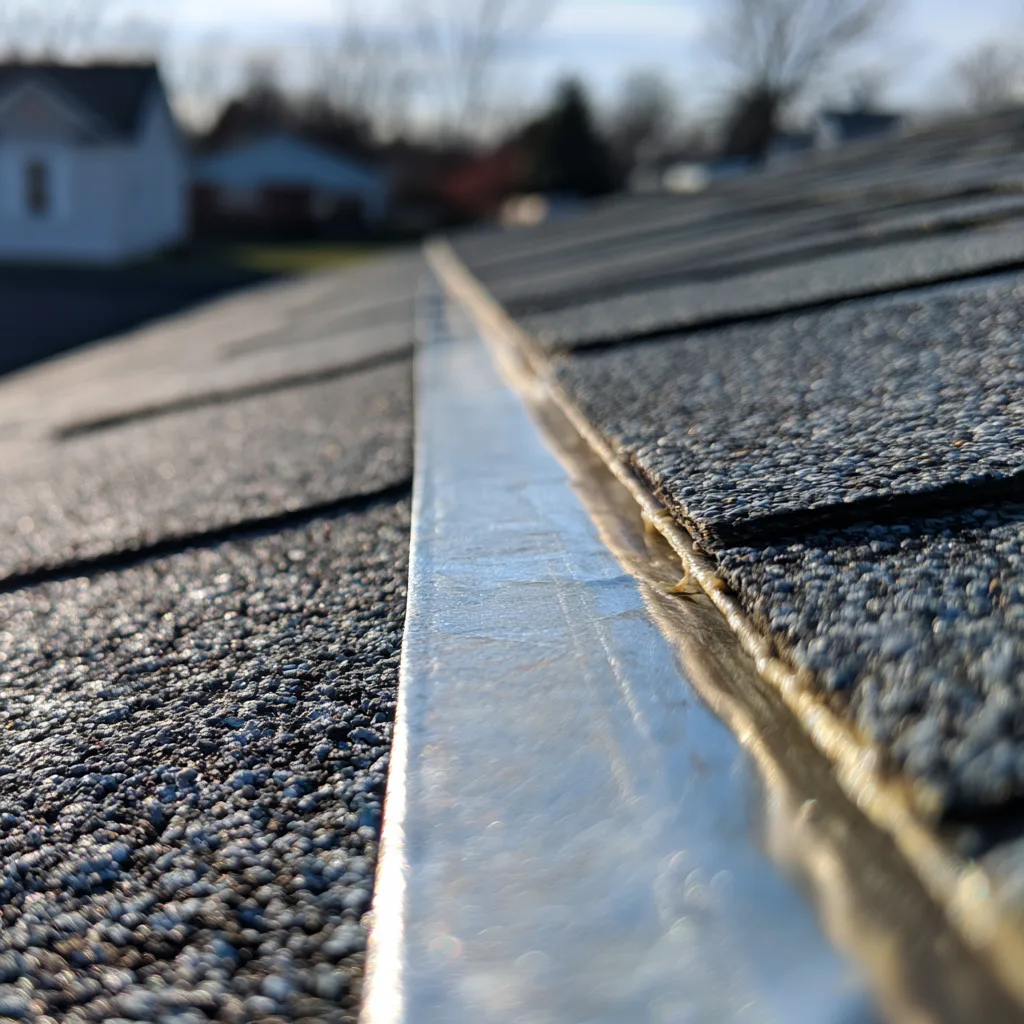
Where the repair follows the water
Different openings call for different repairs. The visible gap and the material beneath it must be considered together.
- Pipe collars and penetrations
A vent pipe passes through the roof covering. Its boot and collar must shed water back onto that covering while sealing around the pipe. Cracked rubber, loose attachment or a failed overlap can require replacement of the assembly and adjoining shingles.
- Walls and chimney connections
Water running down a wall must be directed onto the roof without slipping behind the flashing. Repair may need access behind siding or counterflashing to rebuild that connection. A roofing repair cannot correct a separate masonry crack or failed window above it.
- Valleys and changes of slope
Valleys collect runoff from two roof areas, and transitions join surfaces with different water-shedding demands. Debris, damaged metal or an unsuitable material on a shallow section can create problems beyond a single shingle. The repair needs to suit the detail and the actual roof slope.
- Wet or damaged underlying layers
Water entry can deteriorate decking before the broad roof looks badly worn. When opening reveals a soft base or wet material, that condition belongs in the repair scope. Covering it again leaves the new surface attached to the old problem.
Temporary protection and a lasting repair
If water is coming in now, say so first. Keep people away from sagging ceilings and wet electrical fittings. Do not climb onto a wet roof to find the opening.
- Temporary protection
An exposed area may need temporary protection when safe access allows. The measure depends on the opening, roof surface and weather; it does not complete the permanent repair.
- Permanent work
Once the affected area can be opened safely, the roofer can replace failed components and correct damaged layers. Materials need suitable application conditions and a sound place to join the existing roof.
- The ceiling afterwards
Interior finishes should wait until the water entry is addressed and affected materials have been assessed and dried appropriately. Interior repair and any electrical or moisture remediation are separate scopes.
Roof leak or another water source?
A roofer can assess the roofing path without assuming every wet ceiling starts at the roof.
Prairie Grove roof leak FAQs
Why does the ceiling stain return after a repair?
The original entry may remain, a neighboring detail may also leak, or wet materials may not yet have dried. New moisture after rain calls for the connected roof area to be checked again.
Can the roof leak when no shingles are missing?
Yes. A failed pipe collar, flashing lap or concealed connection can leak while the broad shingle surface looks intact. Missing shingles are only one possible opening.
When should the ceiling or interior finish be repaired?
After the entry has been corrected and the affected interior materials have been assessed. Repainting a damp ceiling can hide the symptom briefly while leaving moisture damage unresolved.
Tell us where the water is showing up.
Mention whether the leak is active now and which room or roof section is affected. We can start with what you have noticed.