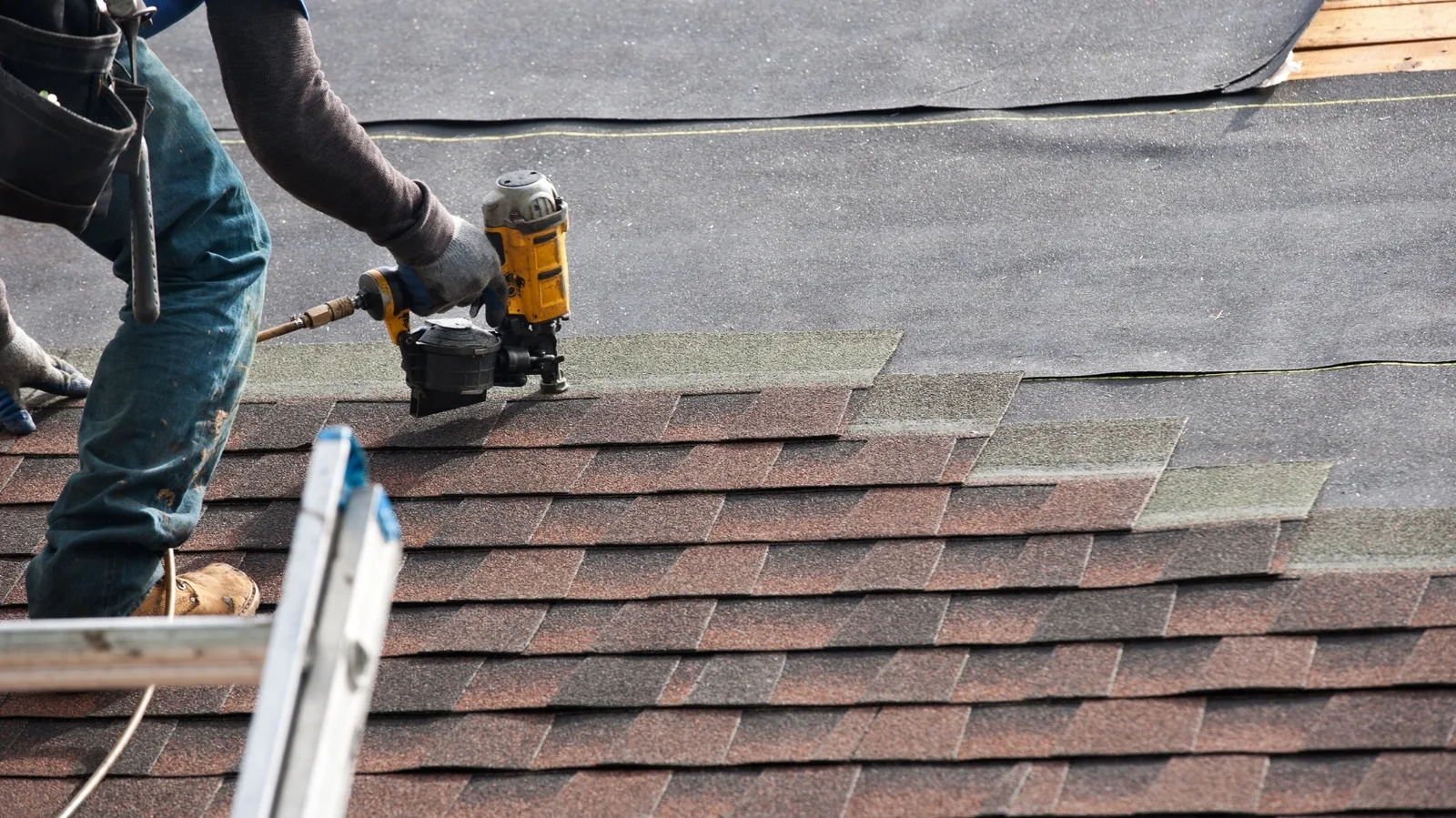
Roof Replacement
Replace worn roofing with a complete plan for the deck, flashing, ventilation and new covering.
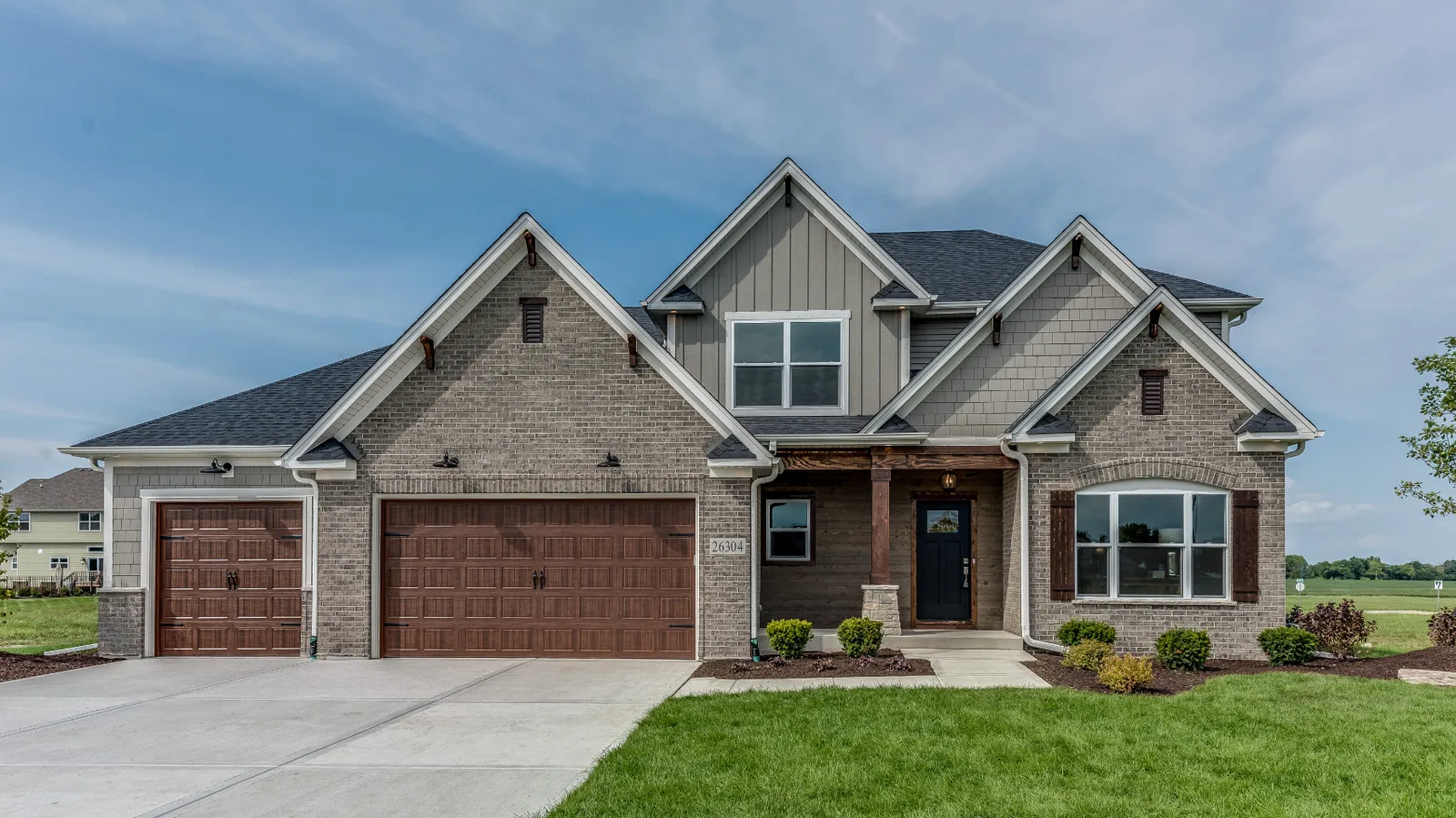
Find the roofing help that matches the problem, from a leaking roof detail to a complete replacement or commercial roof project.
Choose a service to understand the physical work, its limits and the decisions involved. If you are unsure where to begin, request an inspection and describe the concern.
Replace worn roofing with a complete plan for the deck, flashing, ventilation and new covering.
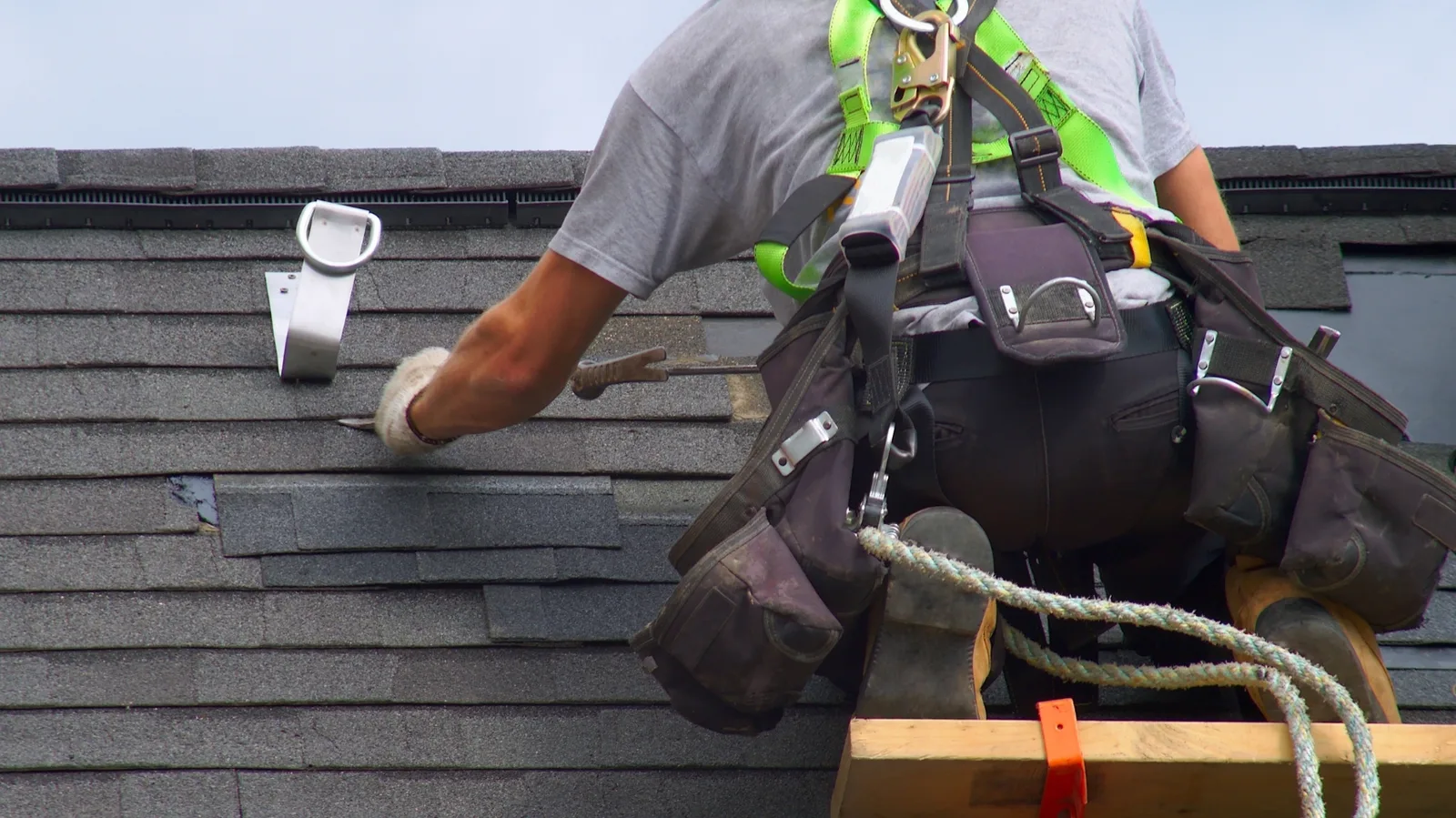
Repair damaged shingles and roof details where the surrounding materials can support lasting work.
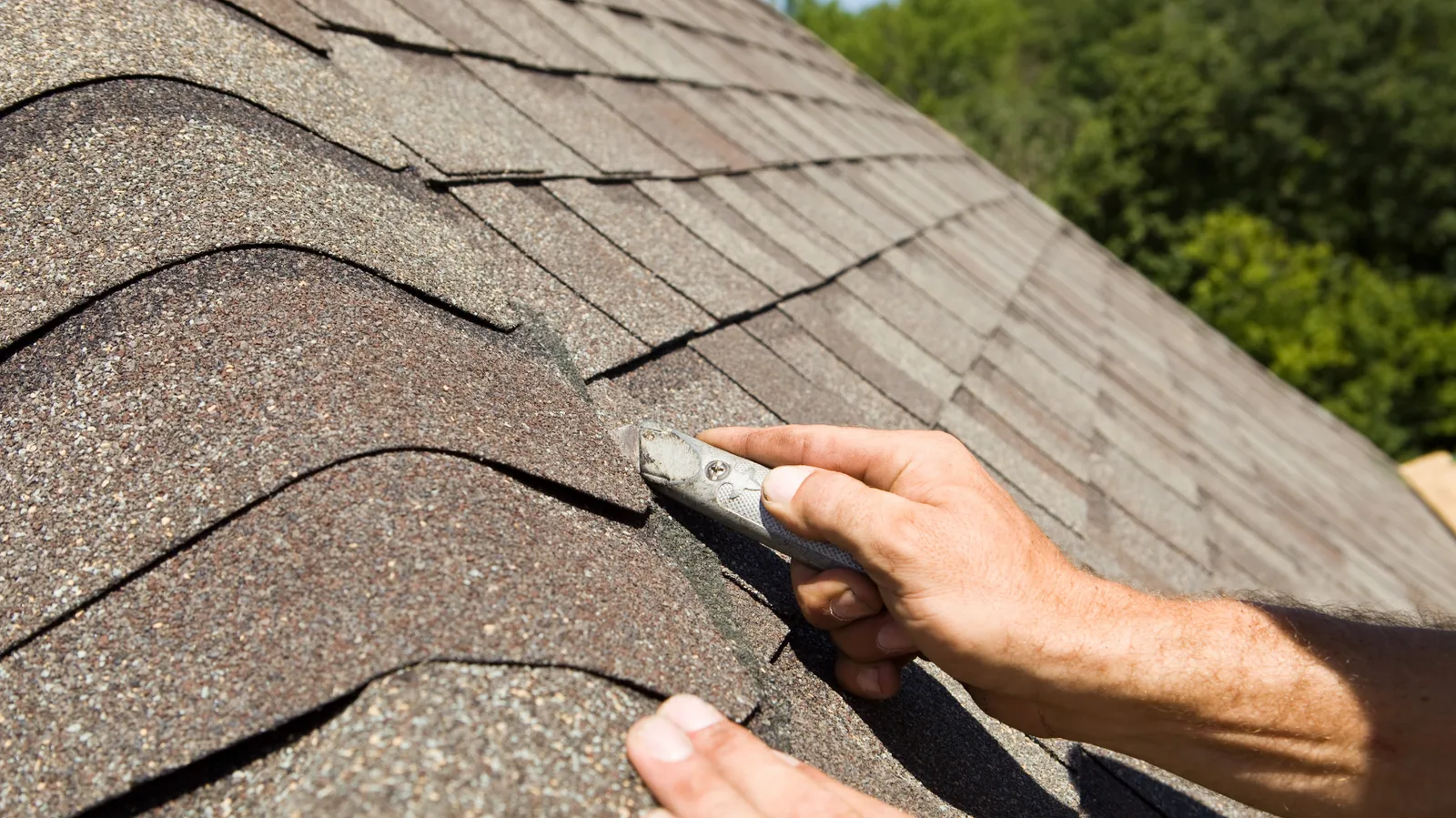
A free roof inspection brings shingles, edges and flashing into view so the next step is clearer.
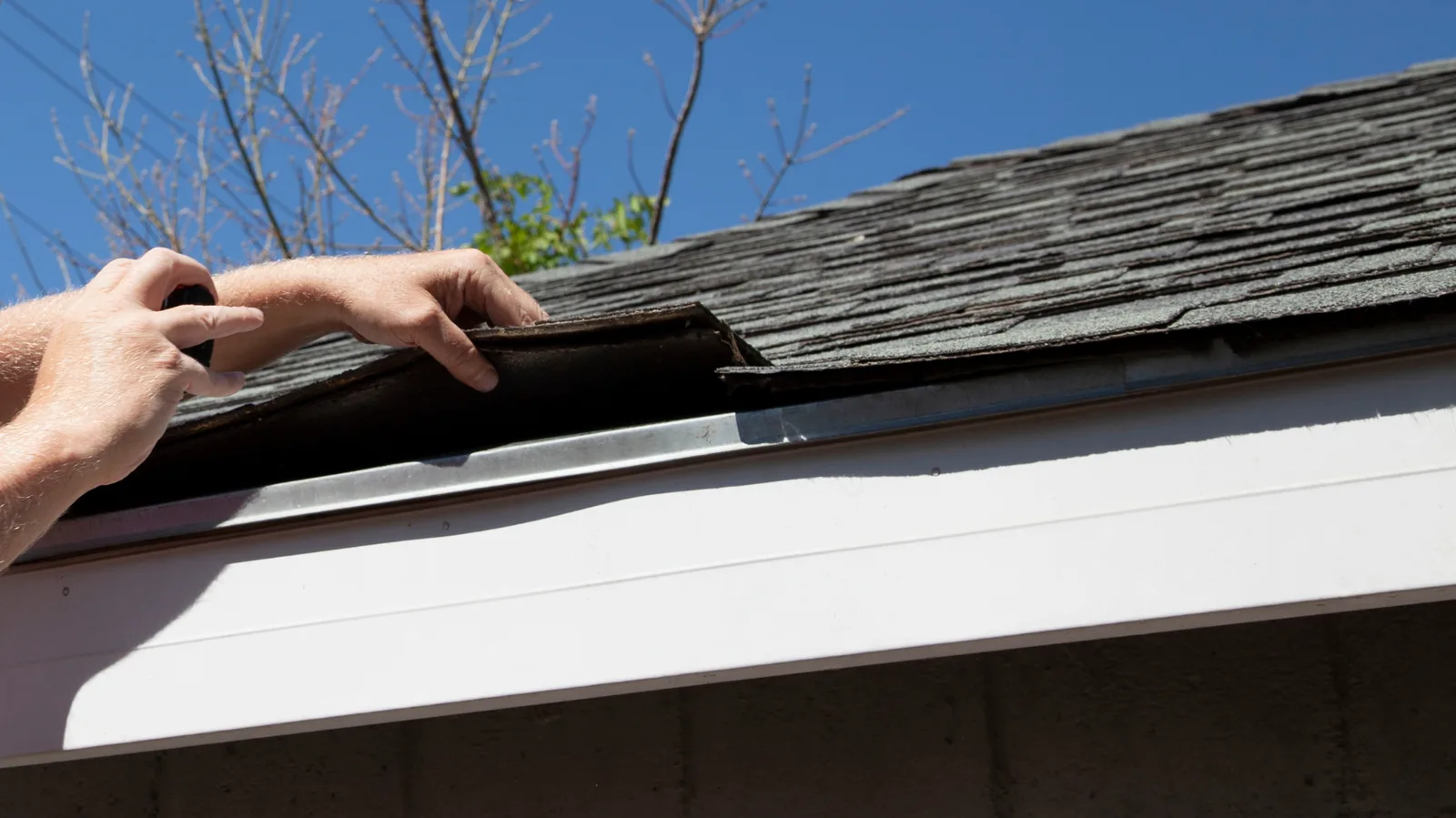
Follow the water back to its entry point, including the layers below the visible opening.
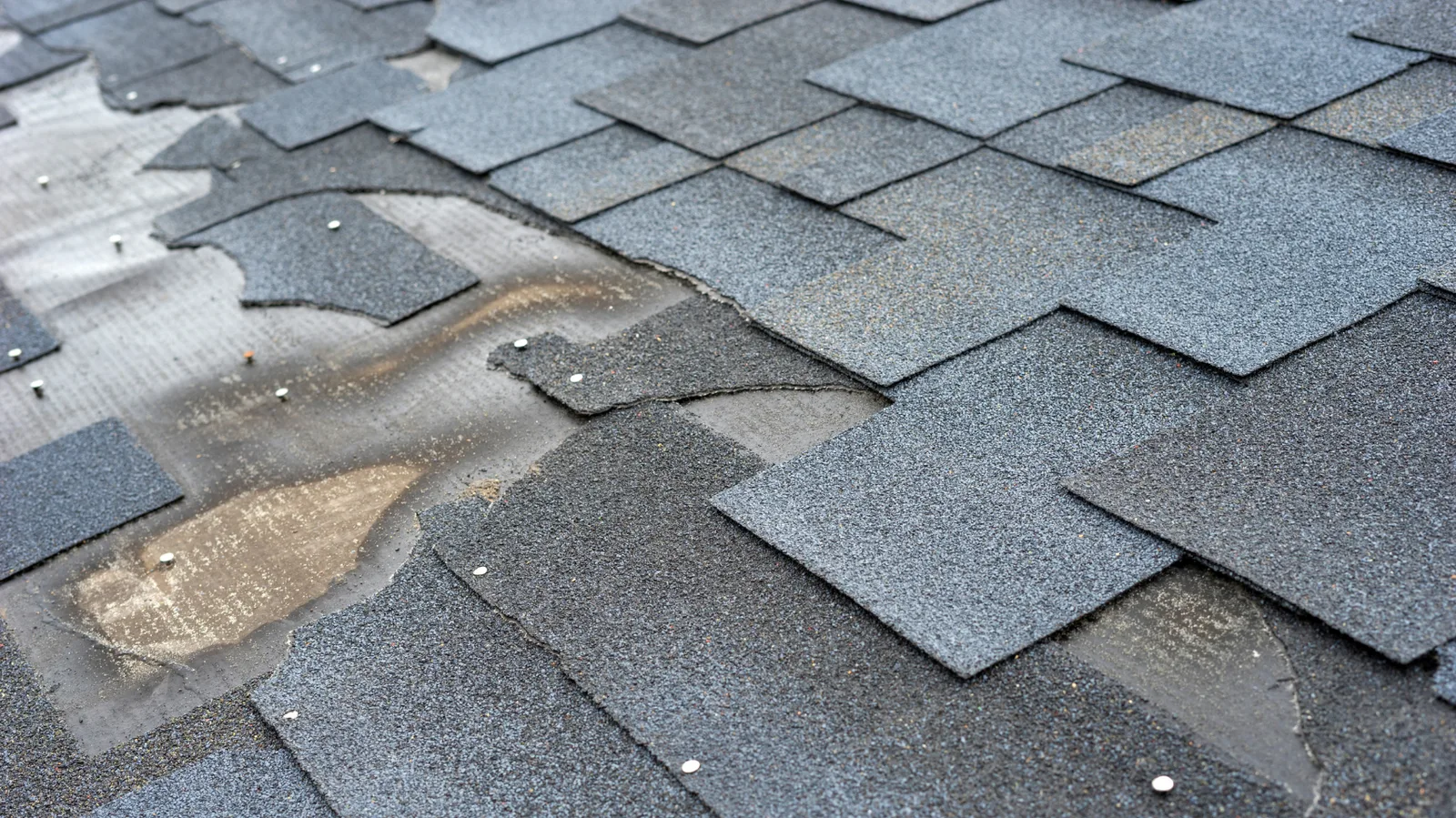
Check wind-lifted shingles, damaged flashing and suspected hail damage after a change on the roof.
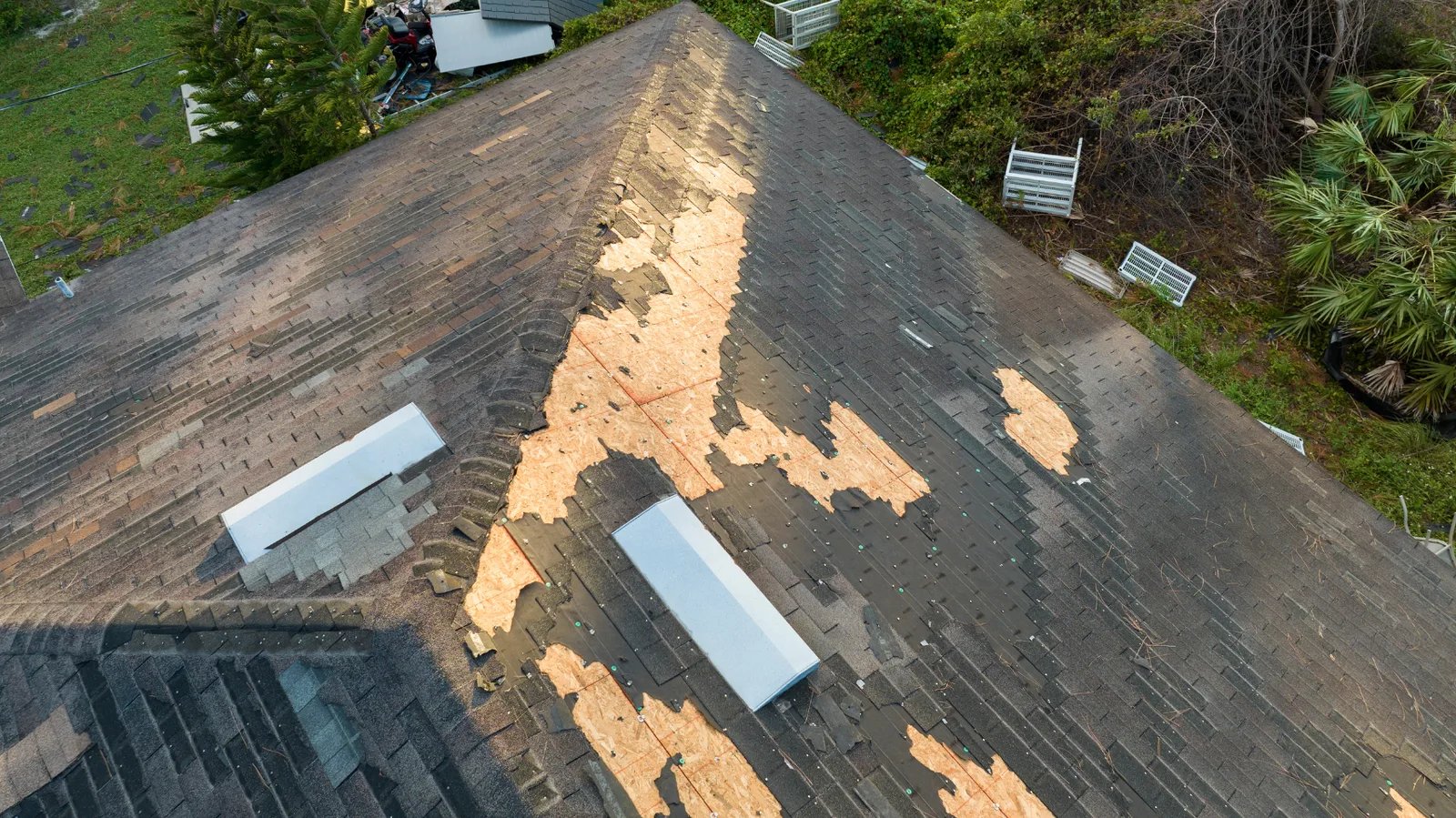
Tell us when water is coming in now. Discuss temporary protection and the permanent repair that follows.
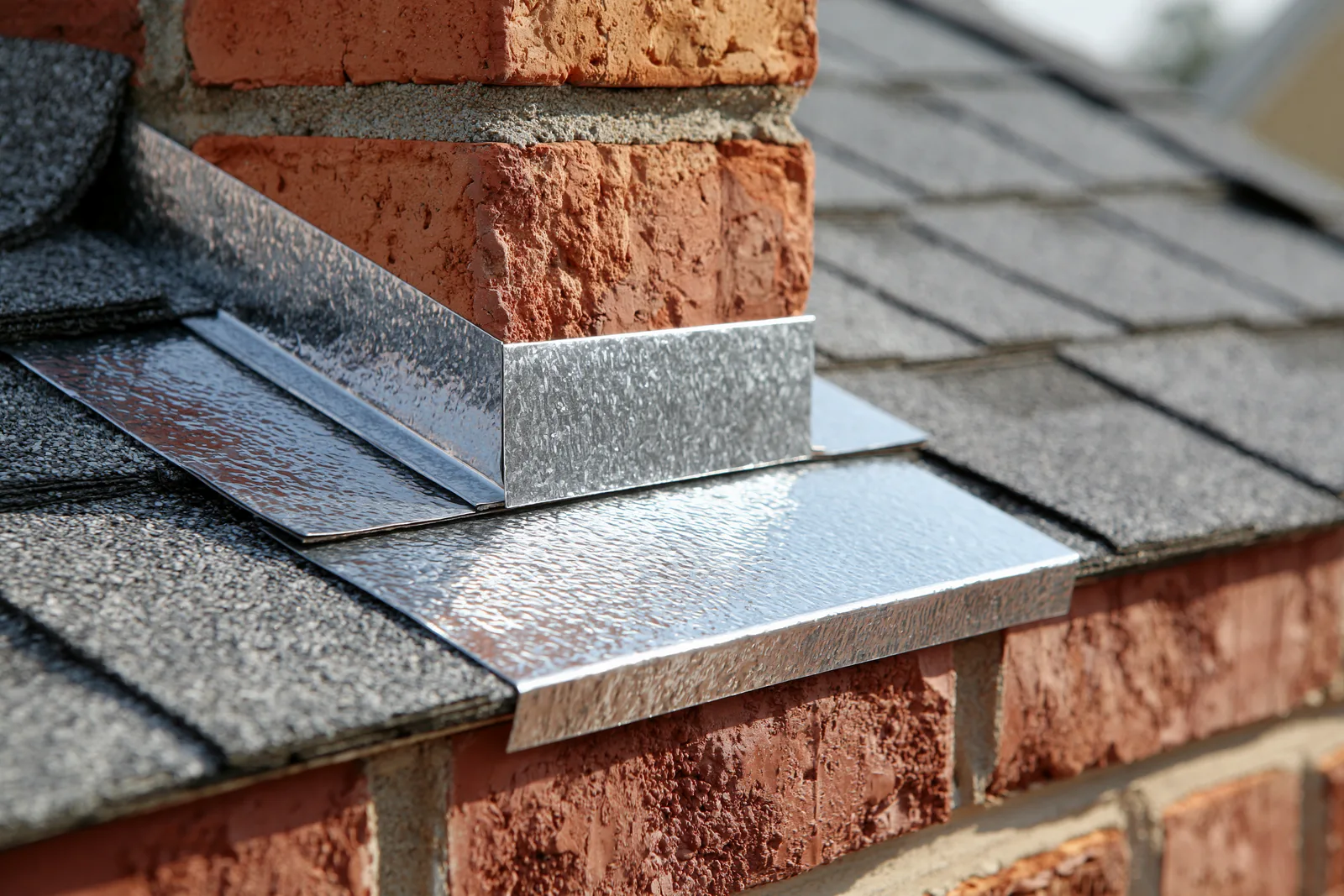
Address the metal and shingle connections that keep water out at a chimney, wall or roof opening.
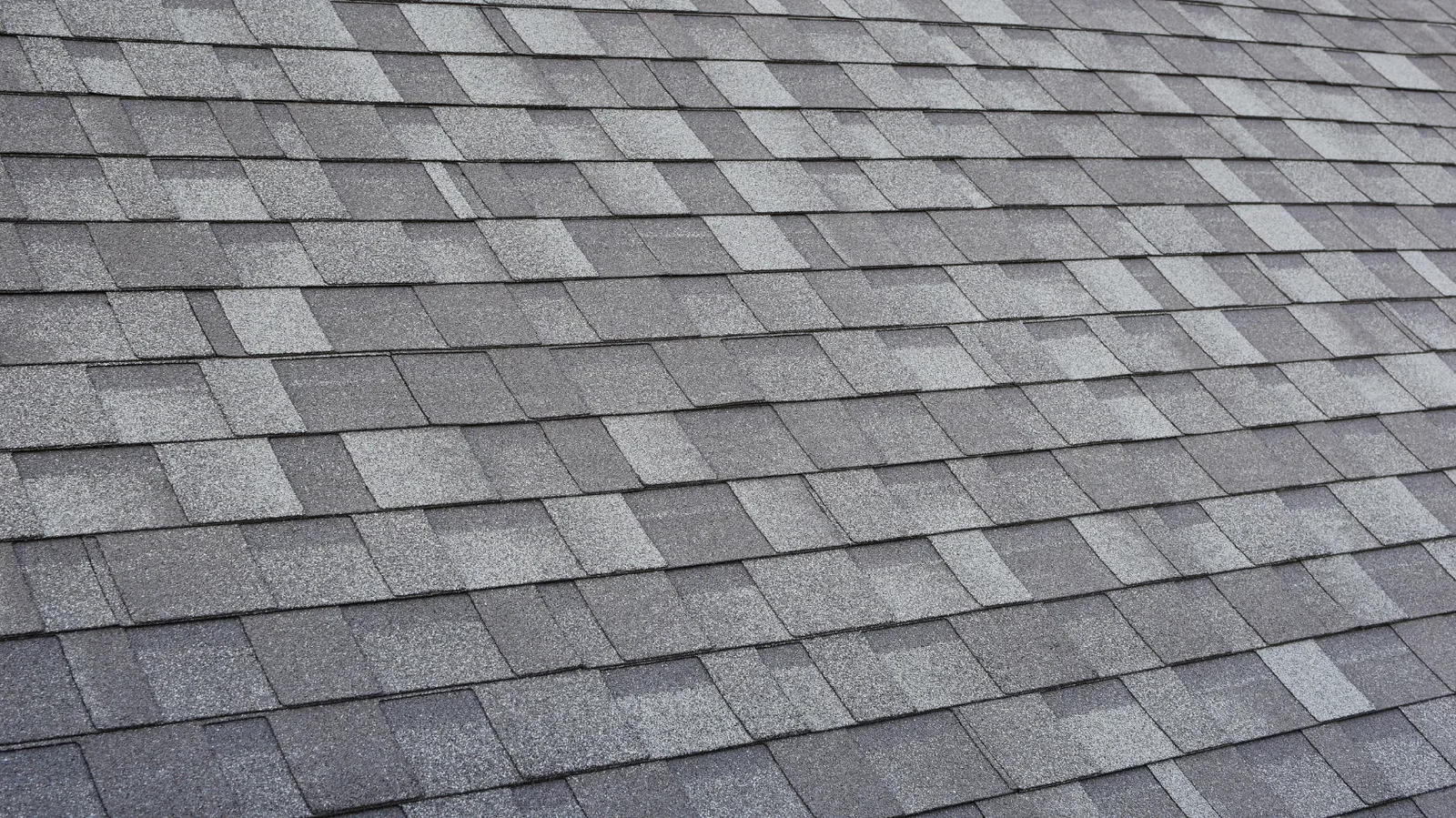
Choose the shingle profile and the supporting roof components together.
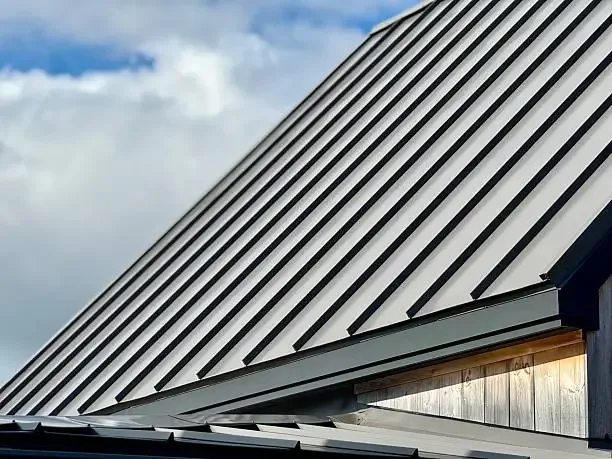
Compare standing seam and exposed-fastener systems for the home, garage or shop.
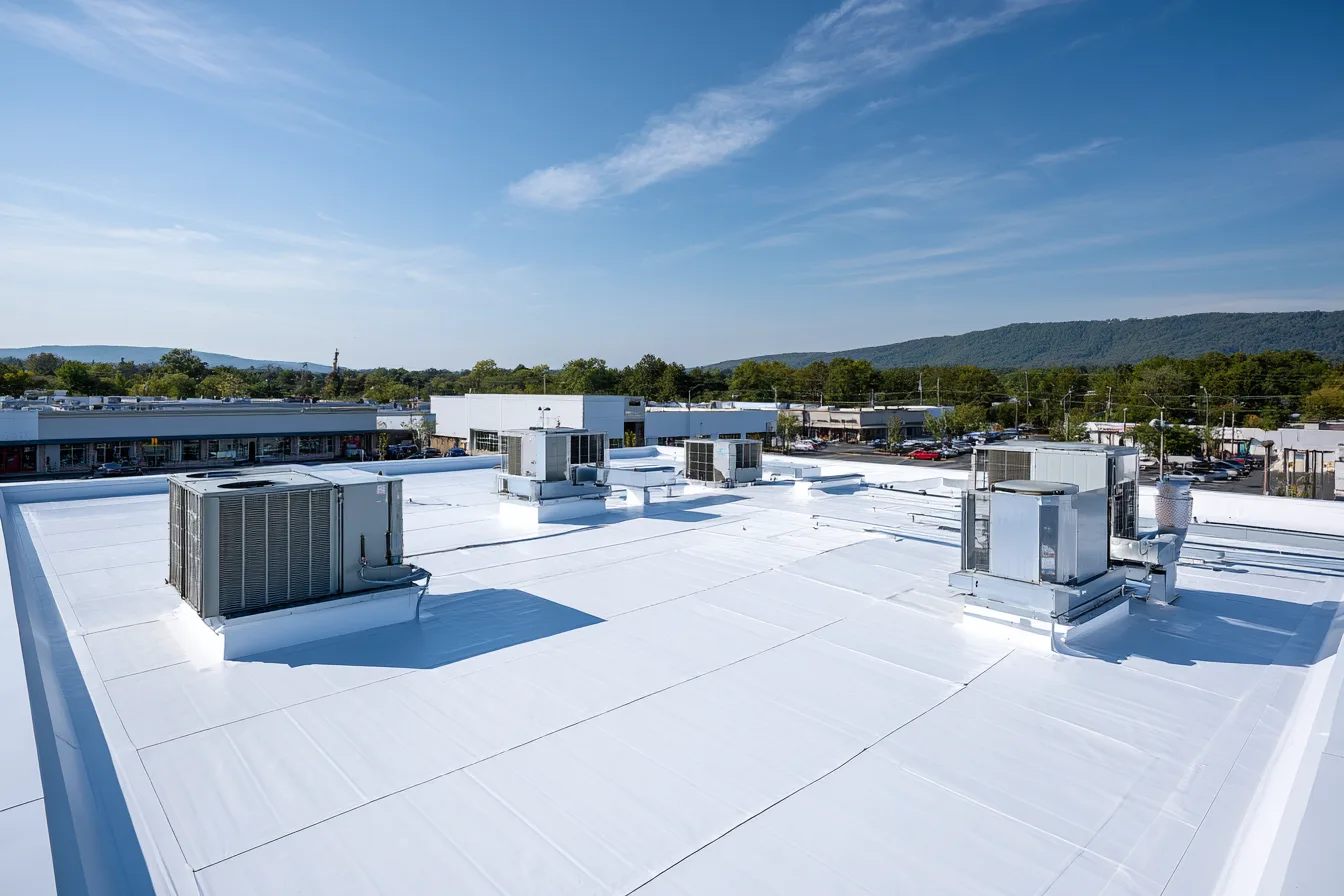
Plan repairs, restoration or replacement around the existing roof and the building beneath it.
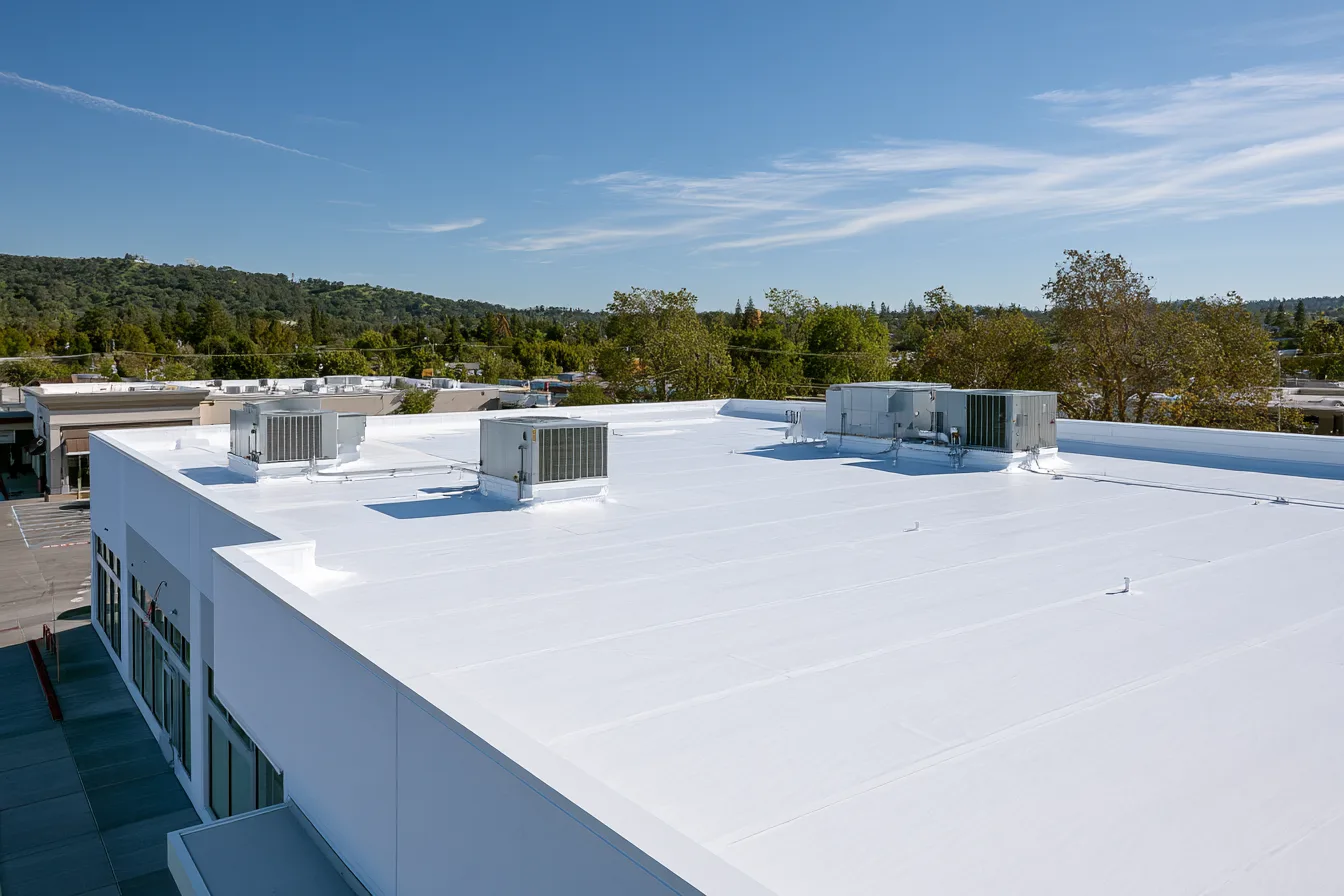
Understand welded membrane seams, edge details and repair compatibility on a TPO roof.
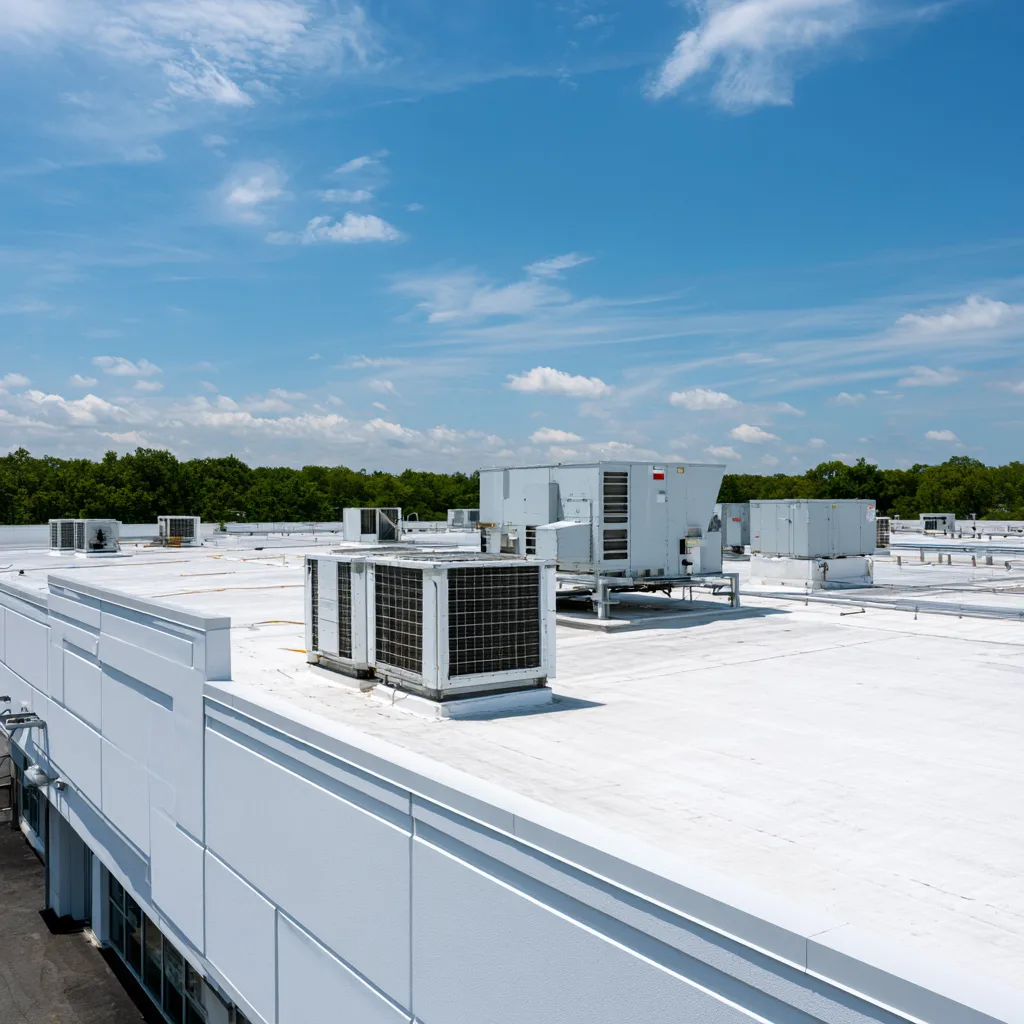
Look at the leak, surrounding layers and drainage before choosing a surface repair.
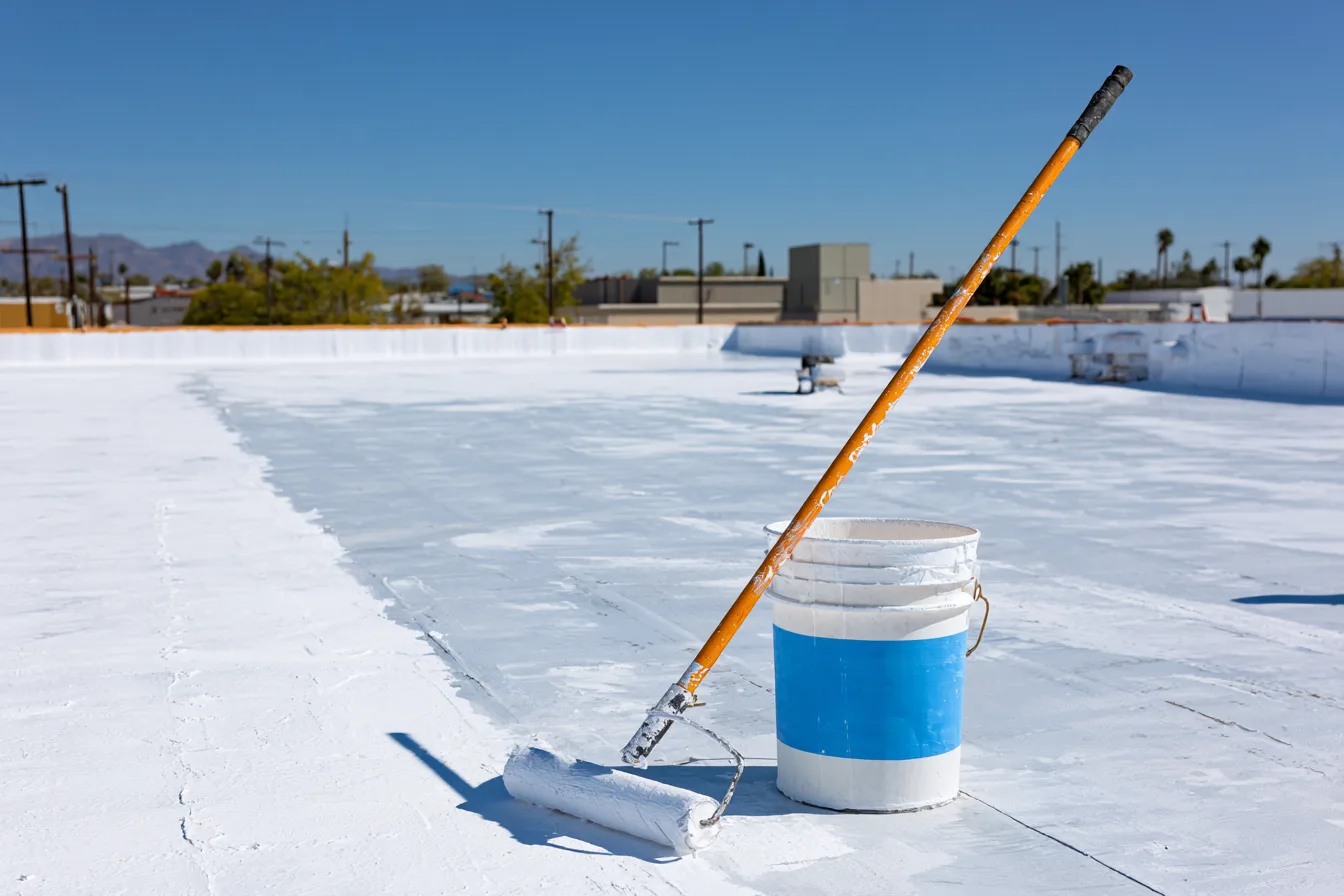
Find out whether a sound existing roof is suitable for prepared, compatible coating restoration.
The service name is a starting point. A ceiling leak might need new flashing and a few adjoining shingles; a badly worn slope needs a different conversation. An inspection brings the visible problem and the rest of the roof into the same decision.
A roof walk checks the covering, penetrations, edges and other exposed details. It helps establish whether the concern is isolated, whether surrounding materials remain workable and what needs a closer look as work opens the roof.
Repair makes sense when the failed part can be replaced or rebuilt into sound neighboring roofing. That means compatible shingles or membrane, secure attachment and intact water-shedding connections, not simply hiding the opening beneath sealant.
When deterioration is widespread or adjoining materials will not support a dependable repair, replacement allows the old covering to come off. The work can then address damaged decking and detail changes before the new roof is installed.
The wood decking is the base that the roof attaches to. Underlayment adds protection above it; shingles shed water, and flashing handles places where the roof meets a wall, chimney or opening. A new surface works properly only when those connections work with it.
During replacement, the old covering is removed so the deck can be assessed. Damaged wood needs correcting before new roofing is fastened. At the perimeter and penetrations, flashing and edge details need to connect to the new covering rather than leaving an old failure in place. Ventilation also needs a working path for intake and exhaust.
Material choice then fits that roof. Asphalt shingles and metal have different attachment, movement and maintenance details. A low-slope section can need a different system from the steeper main roof, even on the same house.
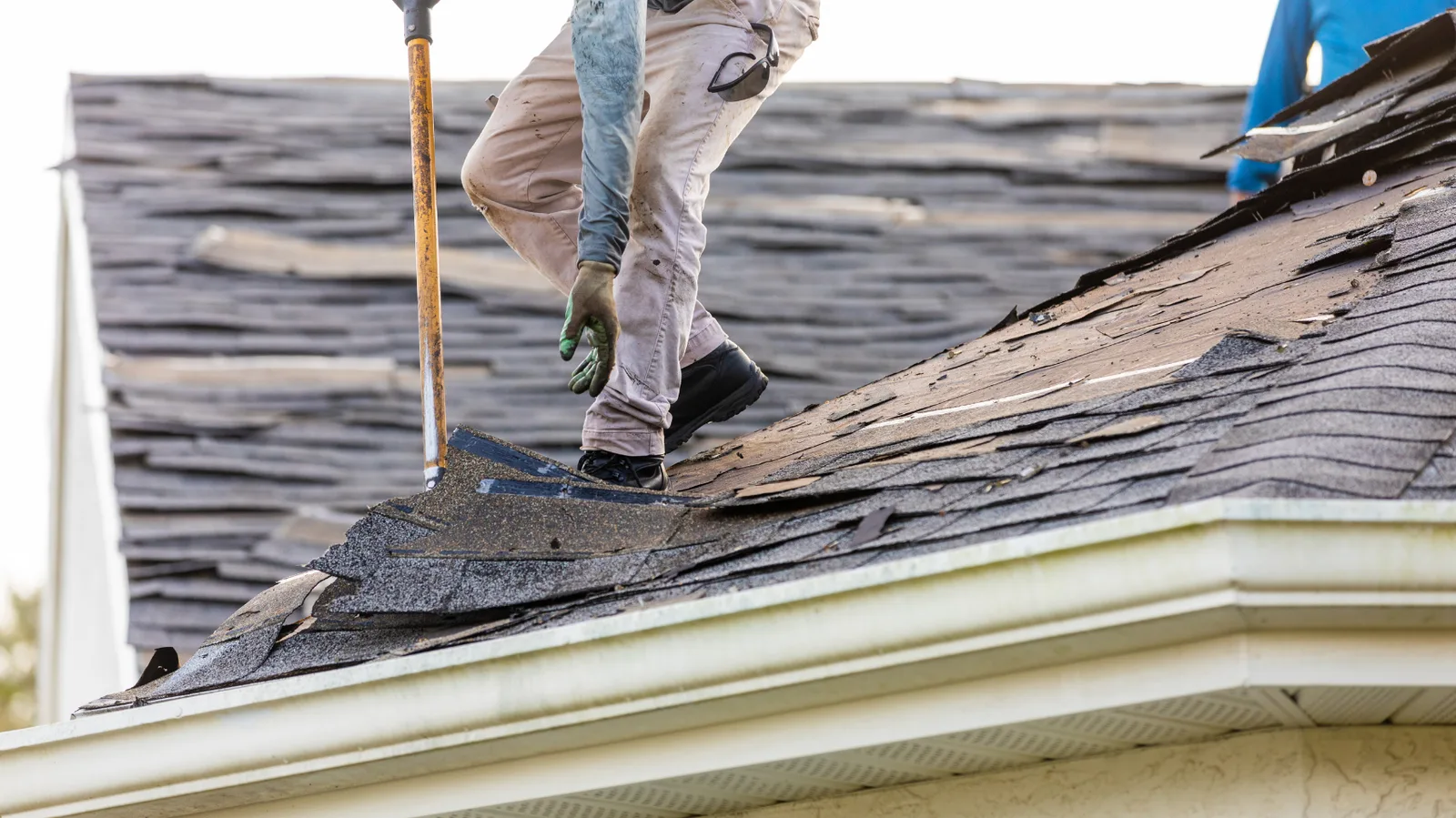
A useful recommendation explains which parts remain sound and which parts of the roof need work.
The roof is above a property people use. Access and protection belong in the work plan alongside materials.
The roofer plans how materials and removed roofing reach the ground, and how doors, driveways and nearby belongings are kept clear of the work. Noise and vibration are part of tear-off and fastening; the schedule depends on the actual scope and weather.
Tenant entrances, delivery access and rooftop equipment need coordination. Our commercial roofing page explains how system condition, drainage and building use shape the project.
A roof leak can damage ceilings or connect with a masonry, siding or plumbing problem. The roofing repair addresses the roof entry point; associated interior or specialist trade work needs its own clear scope.
Start with roof leak repair or contact us and say water is coming in. The location of the stain is useful information, but water can travel before it reaches the room. The roofer traces the entry and checks the surrounding layers.
Yes. A house might need flashing work at one wall and replacement on a worn porch roof. A commercial building might need a membrane repair plus a drainage correction. Those parts should be considered together so one repair does not leave the connected problem untouched.
A planning example can help you think about the budget. The actual price depends on roof area, access, materials and the work underneath. Try the roof cost calculator for a sourced example, then use the inspection to establish the property-specific work.
Tell us what you have noticed and where the property is. We can help narrow down the work at a free roof inspection.